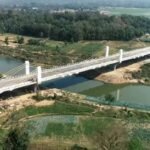





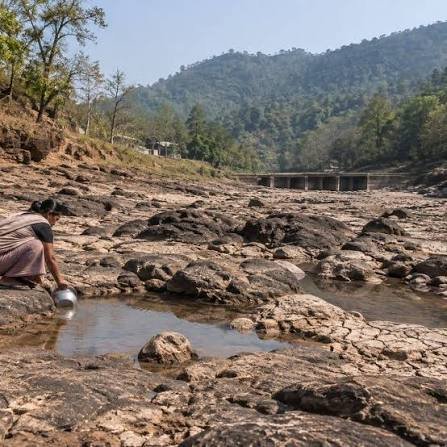
The Mizoram water bodies decline has emerged as one of the sharpest findings from the Second Census of Water Bodies. Mizoram recorded 808 water bodies, compared with 2,185 in the first census. The figure represents a 63% decline, the largest fall reported among the states covered in the latest comparison.
The data comes from the Second Census of Water Bodies, which uses 2023-24 as its reference year. The Union government released the latest findings as part of the expanded irrigation census programme, providing updated information on water resources across states and Union Territories.
Tripura Congress Raises Concerns Over Border Trade Infrastructure Gaps
Mizoram Water Bodies Decline Leads State-Wise Fall
Mizoram recorded 2,185 water bodies in the first census, which used 2017-18 as its reference year. The latest census counted only 808. Therefore, the state lost 1,377 recorded water bodies between the two census exercises, representing a decline of roughly 63%.
The scale of the reduction places Mizoram ahead of the other states that recorded declines. Arunachal Pradesh reported a 50% fall, with its number dropping from 993 to 499. Jharkhand recorded a 19% decline, while Telangana registered a fall of 16.19%. Rajasthan also reported fewer water bodies in the latest census.
At the same time, the figures should be interpreted as census findings rather than proof that every missing water body physically disappeared. The census counts water bodies that meet its survey criteria and records their status during the relevant exercise. Changes in identification, classification, survey coverage or physical conditions can influence comparisons between census rounds.
The Ministry of Jal Shakti says the water bodies census collects information on important characteristics such as type, ownership, condition, use, storage capacity, encroachment and filling status. The exercise covers both rural and urban areas.
Mizoram Water Bodies Decline Raises Resource Concerns
The Mizoram water bodies decline has significance because water bodies serve several purposes beyond storing water. Depending on their characteristics, they can support irrigation, domestic and drinking-water needs, pisciculture, groundwater recharge, recreation and other activities.
The first census offered a detailed baseline for Mizoram. It identified 2,185 water bodies across the state, including 1,436 in rural areas and 749 in urban areas. The census therefore provided a broad picture of both rural and urban water resources.
The earlier state-level data also showed that most recorded water bodies were in use. A Ministry of Jal Shakti report on Mizoram noted that 2,063 of the 2,185 water bodies were classified as in use. It also recorded information on their storage capacity, water spread and other characteristics.
Consequently, the latest reduction makes the comparison important for future water-resource planning. A smaller recorded inventory could affect how authorities assess local storage, recharge and other water-management needs. However, the census figure alone does not establish why the number fell.
Second Census Updates Mizoram Water Data
The Second Census of Water Bodies forms part of a wider irrigation census programme launched in April 2025. Along with the water bodies exercise, the Union government launched the Seventh Minor Irrigation Census, the First Census of Springs and the First Census of Major and Medium Irrigation Projects.
The Second Census uses 2023-24 as its reference year. Enumerators collect information digitally through a mobile application and record details such as location and images. The methodology also uses earlier census information to support data collection and comparison.
The government has described the broader exercise as a tool for building a comprehensive database for planning and policymaking. Such information can help authorities examine the condition and use of water resources and identify areas requiring conservation, renovation or better management.
Moreover, the latest census provides an opportunity to compare water resources across different parts of the country. While several states recorded increases, Mizoram and four other states reported declines. The contrasting figures show that water-resource trends vary considerably across regions.
The data also needs to be considered alongside local conditions. Mizoram’s terrain, settlement patterns, rainfall and dependence on natural water systems create a distinct water-management context. Therefore, policymakers may need state-specific assessments rather than relying only on national comparisons.
Mizoram Water Bodies Decline Highlights Need for Assessment
The latest figures do not by themselves identify the specific reasons behind the 63% reduction. The census provides a numerical comparison, while understanding the causes requires examination of individual water bodies and changes in their condition, use or classification.
That distinction is important because the first census and the second census have different reference years. The first census was conducted with 2017-18 as its reference year, whereas the second uses 2023-24.
Authorities can use the updated database to examine where recorded water bodies have disappeared from the inventory and whether those changes reflect physical loss, changes in status or differences in survey identification. Such follow-up can make the census more useful for conservation planning.
Furthermore, the latest figures place greater attention on the need to maintain reliable water-resource records. Accurate inventories can help governments track water bodies over time and design conservation measures according to local requirements.
The findings also underline the importance of protecting existing water resources. Where water bodies remain in use, their condition, storage capacity and filling status can influence their value to communities. Regular monitoring can help identify problems before they become more difficult to address.
Conclusion
The Mizoram water bodies decline stands out in the Second Census of Water Bodies, with the recorded number falling from 2,185 to 808. The 63% reduction is the sharpest decline among the states included in the latest comparison.
The figures provide an important new baseline for Mizoram’s water-resource planning. However, the census comparison alone does not establish the reasons behind the reduction. Further assessment of individual water bodies, survey coverage and changes in condition will be important for understanding the trend and guiding future conservation efforts.
FAQs
What is the Mizoram water bodies decline reported in the second census?
The Mizoram water bodies decline refers to the fall in recorded water bodies from 2,185 in the first census to 808 in the second census. This represents a decline of about 63%.
How many water bodies does Mizoram have according to the second census?
The Second Census of Water Bodies recorded 808 water bodies in Mizoram. The figure is based on the census exercise using 2023-24 as its reference year.
What was the number of Mizoram water bodies in the first census?
The first Census of Water Bodies recorded 2,185 water bodies in Mizoram. The census used 2017-18 as its reference year.
Does the 63% decline mean all these water bodies physically disappeared?
Not necessarily. The census comparison shows a sharp reduction in the number recorded, but the figure alone does not establish that every water body absent from the latest inventory physically disappeared. Changes in status, identification or survey conditions can also affect comparisons.
Why is the Second Census of Water Bodies important?
The census creates an updated database covering factors such as type, ownership, condition, use, storage capacity and encroachment. This information can support water-resource planning, conservation and policymaking.