




Siang mega dam protests intensified across Arunachal Pradesh’s Siang and Upper Siang districts during Chief Minister Pema Khandu’s two-day visit. Villagers blocked roads and staged demonstrations against the proposed 11,000-MW Siang Upper Multipurpose Project (SUMP). The unrest also disrupted the government’s planned outreach programme in Yingkiong.
The protests reflect growing opposition to the proposed pre-feasibility report (PFR) survey. Local groups have questioned the project’s potential impact on villages, land, forests and livelihoods. Meanwhile, the state government says the PFR is only an initial technical assessment and does not amount to final approval for construction.
Tripura Congress Raises Concerns Over Border Trade Infrastructure Gaps
Siang Mega Dam Protests Disrupt Khandu’s Visit
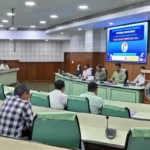
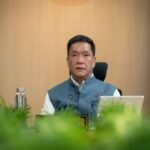
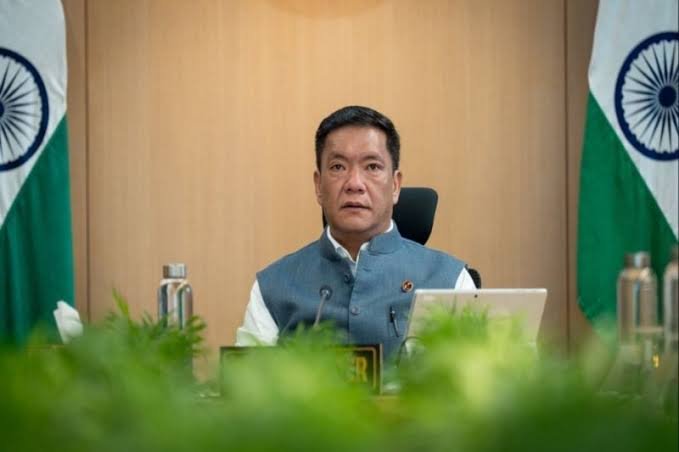
Pema Khandu visited Siang and Upper Siang districts on September 29 and 30 as the government sought to explain the proposed project and address concerns. His tour covered Boleng and Yingkiong, where officials and local representatives were expected to discuss the SUMP and its preliminary feasibility process.
However, the visit unfolded amid strong opposition from sections of the indigenous Adi community. Villagers in several locations had already protested against the planned PFR activities. During the tour, residents blocked roads along parts of the Yingkiong-Komkar-Geku route and towards Dite Dime.
The situation became more tense on September 30. Protesters gathered in Yingkiong and displayed placards opposing the PFR and survey activities. Reports also said demonstrators prevented Deputy Chief Minister Chowna Mein and other ministers from attending a programme connected with the chief minister’s visit.
The unrest later affected Khandu’s schedule. According to reports, protesters vandalised the residence of Tuting-Yingkiong MLA Alo Libang, while government vehicles were damaged during the clashes. Security forces were subsequently deployed in larger numbers in sensitive parts of the district.
Siang Mega Dam Protests Focus on PFR and Survey Work
At the centre of the dispute is the proposed Siang Upper Multipurpose Project, which has a planned capacity of around 11,000 MW. The project is intended to serve multiple purposes, with the government highlighting energy security, water management and other potential regional benefits. The Centre declared the project a National Project in 2008.
For local opponents, however, the immediate concern is not only the eventual construction of the dam. They are also resisting the PFR and associated survey activities that could determine whether the project is technically feasible. Villagers have demanded that survey work stop until affected communities receive greater clarity and an opportunity for direct consultation.
Earlier in September, villagers from Komkar and nearby areas protested at proposed project sites around Uggeng. Residents opposed the movement of drilling equipment and the proposed PFR activities. Similar protests took place on both banks of the Siang in areas connected with the proposed dam sites.
Security deployment has added another layer to the disagreement. Community groups have objected to the presence of paramilitary personnel around areas connected with the survey process. The Siang Indigenous Farmers Forum has also demanded the withdrawal of security forces from affected villages.
The government, meanwhile, maintains that the PFR represents an initial stage rather than a final construction decision. Khandu said the government does not want to rush the project. He also stated that if technical experts determine that the project cannot be built, the process would not proceed further.
Siang Mega Dam Protests Highlight Local Concerns
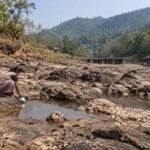
Local opposition has developed over concerns about the possible long-term consequences of a large project in the Siang region. Residents and community organisations have raised questions about land, villages, agriculture, environmental effects and the future of communities that could be affected if the project eventually receives approval.
The region also has a strong cultural and social connection with the Siang River. Therefore, opposition to the project extends beyond questions about compensation or infrastructure. Several community representatives have argued that decisions involving the river and surrounding land must include meaningful participation from affected residents.
Environmental concerns have also featured in the wider debate. The Siang region lies in a seismically active part of the eastern Himalayas, prompting questions about the risks associated with large-scale infrastructure. Human Rights of Arunachal has supported calls from sections of the Adi community for a review of mega hydropower proposals and has suggested considering smaller projects where technically and environmentally appropriate.
The government has attempted to respond by emphasising dialogue. On September 23, the state Cabinet approved an Empowered High-Level Committee to coordinate the PFR survey and related activities. The committee is headed by Rural Development and Panchayati Raj Minister Ojing Tasing and includes MLAs Alo Libang and Oni Panyang.
The committee has been asked to facilitate engagement with communities while ensuring that the survey process remains transparent and peaceful. The government has also stressed that the concerns of likely project-affected families should remain central to the process.
Siang Mega Dam Protests Keep Dialogue at the Centre
Khandu had previously said that the government would not use force to implement the project and urged opponents to participate in discussions. Before his visit, he said concerns and apprehensions should be addressed through dialogue rather than confrontation.
During the September 29 visit, Khandu again sought to distinguish the PFR from final approval for the dam. He said the immediate priority was to establish technical clarity. According to his statement, the PFR could take around three months, covering November, December and January, after which the government would have greater information about feasibility and technical parameters.
Yet the protests show that many residents want consultation before the survey itself moves forward. On September 30, protesters demanded “No PFR, No Survey” and called for direct engagement with communities likely to face the project’s consequences. Their position indicates that the disagreement concerns the process as much as the final project.
Khandu has indicated that he intends to return to the region for more extensive discussions. Reports from his visit said he offered to spend a week in Siang and Upper Siang and meet people in different villages. He also proposed that a small delegation of protesters meet the administration.
The next phase will therefore depend heavily on whether the government and local organisations can establish a workable dialogue. The PFR may provide technical information, but community acceptance remains a major political and social challenge. At present, the protests have made clear that authorities face strong resistance to moving ahead without addressing local concerns.
Conclusion
The latest Siang mega dam protests have highlighted the deep divide over the proposed 11,000-MW SUMP in Arunachal Pradesh. Pema Khandu’s visit was intended to strengthen communication, but road blockades, demonstrations and clashes instead underlined the intensity of local opposition.
The government maintains that the PFR will establish whether the project is technically viable and insists that construction cannot be treated as a foregone conclusion. However, affected communities continue to demand greater consultation and oppose survey activities. Consequently, sustained dialogue, transparency and community participation will remain crucial as the state considers the project’s next steps.
FAQs
What are the Siang mega dam protests about?
The Siang mega dam protests are primarily directed against the proposed Siang Upper Multipurpose Project and the PFR and survey activities associated with it. Protesters have raised concerns about community impacts, land, environment and security deployment.
What is the capacity of the proposed Siang project?
The proposed Siang Upper Multipurpose Project has a planned capacity of around 11,000 MW. The government describes the project as strategically important for energy and water management.
Did Pema Khandu support immediate construction of the dam?
Khandu has said that the government is currently seeking completion of the PFR rather than rushing into construction. He stated that if the feasibility assessment finds that the project cannot be built, the process would not continue.
Why are protesters opposing the PFR?
Many protesters oppose the PFR because they fear that survey and drilling activities could advance the project despite unresolved community concerns. They have demanded direct consultation and a halt to survey work.
What happens next after the Siang mega dam protests?
The government has indicated that further dialogue with local communities will be necessary. Khandu has also said he plans to return to Siang and Upper Siang for wider consultations, while the Empowered High-Level Committee will coordinate the PFR process.