





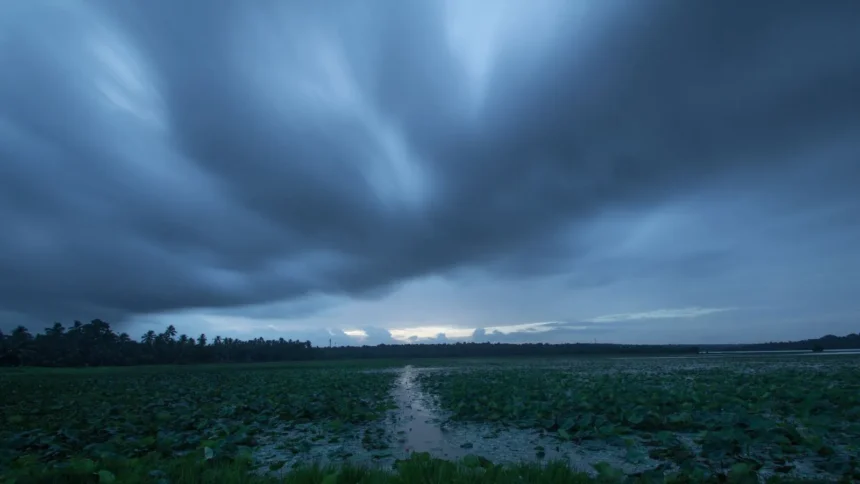
The Monsoon Phase Transition has intensified across Northeast India as the India Meteorological Department (IMD) reported that the sluggish weather pattern witnessed during June has shifted into a more vigorous July phase. Moreover, the strengthened southwest monsoon is bringing widespread rainfall, increasing river flows, and improving seasonal precipitation across several northeastern states. Consequently, authorities are closely monitoring weather conditions while advising residents to remain alert in areas vulnerable to heavy rainfall and localized flooding.
Sikkim Eco-Tourism Guidelines Revised to Strengthen Plastic Waste Management
Monsoon Phase Transition Marks Stronger July Weather
The Monsoon Phase Transition reflects a significant shift in weather conditions across Northeast India, according to the India Meteorological Department. Furthermore, meteorologists observed that the weaker rainfall pattern during June has now given way to a more active and sustained monsoon phase in July.
Seasonal transitions are a normal feature of the southwest monsoon as atmospheric conditions evolve. Consequently, the region is expected to receive more consistent rainfall during the active phase.
Moreover, improved rainfall benefits water resources, agriculture, and reservoir levels. Therefore, the strengthened monsoon is expected to support seasonal farming activities across the Northeast.
Additionally, weather agencies continue monitoring rainfall patterns and atmospheric developments. Thus, regular forecasts remain essential for public awareness.
IMD Reports Increased Rainfall Activity Across the Region
The Monsoon Phase Transition has resulted in enhanced rainfall activity throughout several northeastern states. Furthermore, the IMD noted that the active July phase is producing more widespread and vigorous precipitation compared to the previous month.
Higher rainfall intensity often accompanies the peak monsoon period in Northeast India. Consequently, rivers, streams, and reservoirs are likely to experience increased inflows.
Moreover, meteorological observations help authorities prepare for weather-related challenges. Therefore, continuous monitoring remains a key component of disaster preparedness.
Similarly, timely forecasts enable local administrations to coordinate precautionary measures. Additionally, residents benefit from updated weather advisories issued by the IMD.
Active Monsoon Supports Agriculture but Requires Vigilance
The Monsoon Phase Transition is expected to provide much-needed rainfall for agriculture while also increasing the possibility of localized flooding in vulnerable areas. Furthermore, adequate precipitation supports crop growth, groundwater recharge, and water availability.
A vigorous monsoon generally benefits the agricultural sector by improving soil moisture. Consequently, farmers may experience better conditions for seasonal cultivation.
Moreover, heavy rainfall can also create challenges in flood-prone and landslide-prone regions. Therefore, authorities continue advising the public to remain cautious during periods of intense rainfall.
Similarly, disaster management agencies are coordinating preparedness measures across affected districts. Additionally, continuous monitoring supports timely emergency responses when required.
Weather Monitoring Remains a Priority During Peak Monsoon
The Monsoon Phase Transition underscores the importance of continuous weather monitoring during the peak monsoon season. Furthermore, the IMD and state authorities are tracking rainfall trends, river levels, and changing atmospheric conditions to support public safety.
Accurate weather forecasting allows governments and emergency agencies to respond effectively to evolving conditions. Consequently, timely advisories help reduce the impact of severe weather events.
Moreover, coordination between meteorological departments and disaster management agencies strengthens preparedness. Therefore, communities are encouraged to follow official weather updates and safety instructions.
Similarly, improved forecasting technology enhances the accuracy of rainfall predictions. Additionally, public awareness remains essential for minimizing weather-related risks.
Conclusion
The Monsoon Phase Transition marks the beginning of a more active July monsoon across Northeast India following a relatively sluggish June, according to the India Meteorological Department. Moreover, the intensified rainfall is expected to improve water availability and support agriculture while requiring continued vigilance in flood-prone areas.
Furthermore, authorities will continue monitoring weather developments and issuing timely advisories as the active monsoon progresses. Consequently, coordinated preparedness and public cooperation will remain vital for ensuring safety during the peak rainy season.
Looking ahead, sustained weather surveillance, effective disaster management, and regular public awareness campaigns will help maximize the benefits of the Monsoon Phase Transition while reducing the risks associated with heavy seasonal rainfall.
FAQs
1. What is the Monsoon Phase Transition?
It refers to the shift from a relatively weak June monsoon to a more vigorous and active July monsoon across Northeast India.
2. Who reported the change in monsoon activity?
The India Meteorological Department (IMD) reported the transition.
3. How does the active July monsoon affect the Northeast?
It brings increased rainfall, improves water availability, and supports agricultural activities while raising the risk of localized flooding.
4. Why is continuous weather monitoring important?
Monitoring helps authorities issue timely forecasts, prepare for heavy rainfall, and coordinate disaster management efforts.
5. Why is the Monsoon Phase Transition significant?
It marks the arrival of the peak monsoon phase, improving seasonal rainfall while highlighting the need for preparedness against weather-related hazards.