





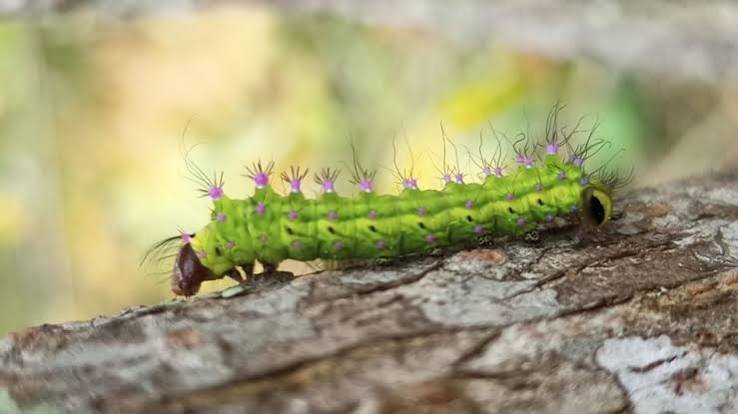
Muga silkworm seed from Mizoram is now reaching Assam and Meghalaya, opening a new supply link for the region’s sericulture sector. The first consignment was flagged off on September 30 from the state’s new P3 Muga unit at Thenzawl in Serchhip district.
Sericulture Director Lalrinawma flagged off around 27,000 muga silkworms for Narayanpur in Assam and Rompara in Meghalaya. The receiving centres will use the seed for further multiplication, officials said.
Mizoram starts muga silkworm seed supply
The new supply initiative comes after Mizoram established its first Central Silk Board muga silkworm seed production unit this year. The P3 Muga unit at Thenzawl became operational following initiatives by Chief Minister Lalduhoma and Sericulture Minister Lalthansanga.
The Thenzawl farm also recorded successful muga silkworm rearing in August. Officials said Mizoram’s climate provides suitable conditions for summer rearing, when high temperatures make the process more difficult in the plains.
Therefore, the state can use its climatic conditions to produce seed during a period when demand remains high in the warmer plains of the Northeast.
Why muga silkworm seed matters
Muga silk remains closely associated with Northeast India, particularly Assam, which has a long-established sericulture base. The Assam government describes silkworm seed as the backbone of the silk industry and stresses the importance of timely, quality seed supplies for commercial production.
Muga cultivation takes place across different seasons and ecological conditions in the region. As a result, seed production and distribution must match local rearing conditions.
The new Mizoram supply could add another source to this regional network. However, the immediate consignment is intended for further multiplication at the destination centres rather than direct distribution to all rearers.
Assam and Meghalaya receive the first consignment
Narayanpur in Assam and Rompara in Meghalaya are the first destinations identified for the new supply. Around 27,000 silkworms are being sent to the two centres, where officials will multiply the seed further.
Assam already has an established network for muga seed production. Its sericulture department lists government muga seed farms and development projects across several districts, including Lakhimpur, Kamrup, Kokrajhar and Dima Hasao.
Meghalaya also has dedicated muga seed facilities, including the Muga Silkworm Seed Organisation at Mendipathar and a Muga Seed Farm at Resubelpara in East Garo Hills.
Mizoram expands its sericulture role
The new muga silkworm seed unit adds to Mizoram’s growing role in the regional silk sector. The Central Silk Board has muga silkworm seed production units at 14 locations across the Northeast, while Mizoram received its first such facility only this year.
Officials expect the Thenzawl facility to benefit muga rearers within Mizoram as well. At the same time, supplying seed to neighbouring states can connect local production more closely with established sericulture networks.
Moreover, recent developments show that Mizoram is seeking to strengthen its wider sericulture economy. The state government recently reviewed measures to support farmers and expand silk production, including steps related to cocoon procurement and seed storage.
New link could support Northeast silk production
The launch of muga silkworm seed supplies marks an important operational step for Mizoram’s new production facility. For Assam and Meghalaya, the additional seed source could support multiplication and help meet seasonal requirements.
However, the longer-term impact will depend on continued production, seed quality and the ability of the centres to maintain reliable supplies. For now, the Thenzawl unit has established a new regional connection by sending its first consignment to two neighbouring states.
Overall, the initiative brings Mizoram further into the Northeast’s established muga silk network while creating a practical route for sharing seed resources across states.
Mizoram’s Chakma Council to Implement NEP From 2027-28, Introduce Weekly Mizo Speaking Day