




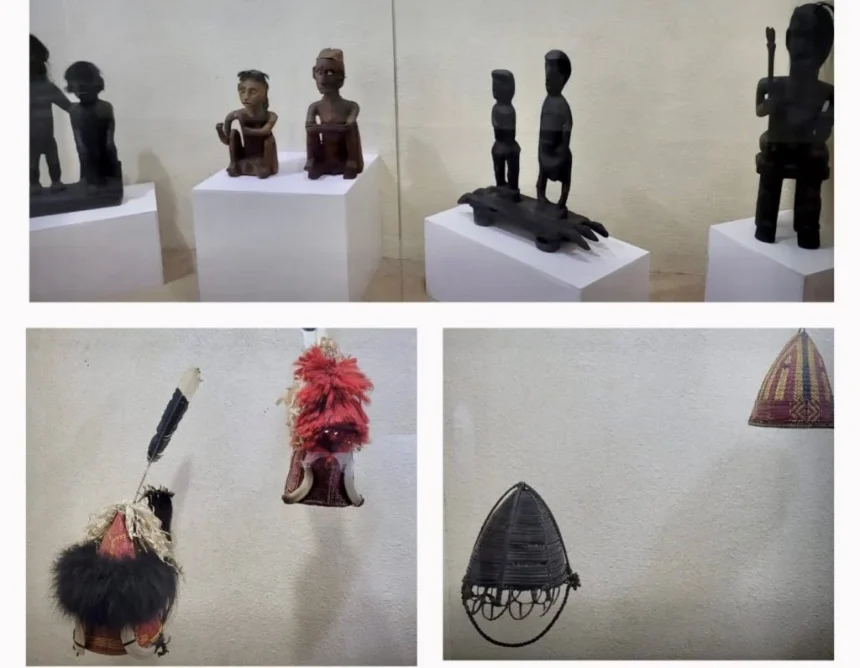
The Nagaland State Museum has expanded its cultural exhibits with the addition of a rare gallery dedicated to ancient Naga warrior ornaments. The new gallery aims to preserve the region’s rich tribal heritage while offering visitors deeper insight into the historical traditions, craftsmanship, and cultural identity of Naga communities.
Peren Wildlife Survey Records Increase in Rare Hornbill Sightings Across Forests
Nagaland State Museum Introduces Rare Heritage Gallery
The Nagaland State Museum in Kohima has introduced a rare gallery featuring ancient Naga warrior ornaments. According to the available information, the newly added exhibition showcases traditional ornaments that reflect the history and cultural heritage of Naga warrior communities.
The gallery forms part of the museum’s ongoing efforts to preserve and present the rich traditions of Nagaland. Moreover, the exhibition provides visitors with an opportunity to explore artifacts that represent the craftsmanship and cultural practices of earlier generations.
Museums play an important role in protecting historical collections and educating the public about regional heritage. Therefore, the addition of the new gallery strengthens the museum’s contribution to cultural preservation and public awareness.
The latest development also enhances the museum’s attraction for students, researchers, and tourists interested in the history of Northeast India. Additionally, curated exhibitions help preserve valuable artifacts for future generations.
Nagaland State Museum Highlights Traditional Naga Craftsmanship
The Nagaland State Museum gallery showcases ancient warrior ornaments that reflect the artistic skills and craftsmanship of Naga communities. Traditional ornaments have long served as important cultural symbols and represent the heritage of various tribes across the region.
Moreover, museum displays allow visitors to understand the historical significance of these artifacts within their cultural context. Consequently, exhibitions contribute to preserving traditional knowledge while promoting appreciation of indigenous heritage.
The rare gallery also demonstrates the value of conserving historical collections in professionally managed institutions. Furthermore, museums provide an environment where artifacts can be documented, protected, and interpreted for educational purposes.
The available information confirms the addition of the new gallery but does not provide details regarding the number of artifacts or the specific tribes represented in the exhibition.
New Gallery Strengthens Nagaland State Museum’s Cultural Mission
The Nagaland State Museum continues to expand its role as a center for cultural education through the introduction of the rare gallery. Museums preserve historical objects that help explain the customs, traditions, and artistic achievements of local communities.
Additionally, exhibitions featuring traditional ornaments encourage greater public interest in the state’s cultural heritage. Visitors can better understand the evolution of indigenous craftsmanship and the importance of preserving historical artifacts.
The museum’s latest addition also supports educational and research activities by providing access to authentic cultural collections. Meanwhile, heritage institutions continue working to conserve valuable artifacts through proper preservation techniques.
The expansion reflects an ongoing commitment to safeguarding Nagaland’s cultural legacy. Therefore, the new gallery represents an important contribution to the state’s museum infrastructure.
Nagaland State Museum Supports Heritage Conservation and Tourism
The Nagaland State Museum initiative carries broader significance for heritage conservation and cultural tourism. Museums help preserve historical identity while creating opportunities for visitors to engage with regional traditions and history.
Moreover, cultural attractions contribute to tourism by encouraging travelers to explore the historical and artistic heritage of a destination. Improved museum facilities can also strengthen educational tourism and promote greater awareness of indigenous cultures.
The addition of the rare gallery demonstrates the importance of investing in cultural institutions that preserve valuable historical collections. Similarly, well-maintained museums support academic research, public education, and heritage conservation.
Preserving traditional artifacts remains essential for documenting the history of communities and passing cultural knowledge to future generations. Consequently, the museum’s new gallery reinforces the importance of protecting Nagaland’s rich cultural heritage.
As the museum continues expanding its collections, future official updates may provide additional information about upcoming exhibitions and heritage initiatives.
Conclusion
The Nagaland State Museum has enhanced its cultural offerings by unveiling a rare gallery dedicated to ancient Naga warrior ornaments. The new exhibition reflects the museum’s commitment to preserving the state’s rich tribal history and promoting greater public appreciation of indigenous heritage.
Furthermore, the gallery strengthens educational opportunities for visitors while supporting the long-term conservation of valuable historical artifacts. It also highlights the importance of museums in safeguarding cultural traditions for future generations.
Overall, the Nagaland State Museum continues to play a vital role in preserving and showcasing Nagaland’s unique heritage. The addition of the rare gallery marks another important step toward strengthening cultural conservation, historical research, and heritage tourism in the state.
FAQs
1. What is the latest update at the Nagaland State Museum?
The Nagaland State Museum has added a rare gallery showcasing ancient Naga warrior ornaments.
2. Where is the Nagaland State Museum located?
The museum is located in Kohima, Nagaland.
3. What does the new gallery feature?
The gallery features ancient Naga warrior ornaments that reflect the cultural heritage and craftsmanship of Naga communities.
4. Why is the new gallery significant?
It helps preserve historical artifacts, promotes cultural education, and strengthens awareness of Nagaland’s tribal heritage.
5. Who can benefit from visiting the new gallery?
Students, researchers, tourists, and anyone interested in the history and culture of Nagaland can benefit from the exhibition.