





By using this site, you agree to the Privacy Policy and Terms of Use.
Accept
Hindustan PioneerHindustan Pioneer
  • Home
  • Business
  • News
  • Education
  • Entertainment
  • Lifestyle
  • Travel
  • Web Stories
Reading: SC Asks Its Registry Not To Mention Caste Or Religion Of Litigants In Case Files
Share
Notification Show More
Latest News
Mizoram CM Lalduhoma Denies Lengpui Airport Land Deal Charges, Offers to Resign if Proven Guilty
February 17, 2026
GHADC Elections Scheduled for April 10, Meghalaya Cabinet Announces Poll Dates
February 17, 2026
Assam Bio Ethanol to Partner 30,000 Farmers for Bamboo Supply to Numaligarh 2G Plant
February 17, 2026
himanta biswa sarma
Himanta Says Remarks Target ‘Bangladeshi Infiltrators’, Not Muslims
February 9, 2026
Tribal body leader condemns Kuki-Zo MLAs for joining Meitei-led government
Tribal Body Leader Slams Kuki-Zo MLAs for Joining Govt
February 9, 2026
Aa
Aa
Hindustan PioneerHindustan Pioneer
  • Home
  • Business
  • News
  • Education
  • Entertainment
  • Lifestyle
  • Travel
  • Web Stories
Follow US
  • Advertise
  • Editorial Policy
  • Contact Us
© 2022 Foxiz News Network. Ruby Design Company. All Rights Reserved.
Home » Blog » SC Asks Its Registry Not To Mention Caste Or Religion Of Litigants In Case Files
News

SC Asks Its Registry Not To Mention Caste Or Religion Of Litigants In Case Files

Divya Parashar
By Divya Parashar 3 Min Read Published February 7, 2024
Share
sc
SHARE

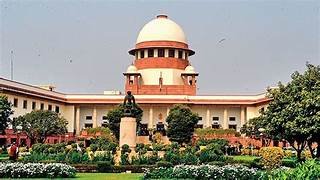
The recent directive from the Supreme Court instructing its registry to refrain from including details regarding the caste or religion of litigants in case files has ignited considerable debate and attracted considerable attention nationwide. This move marks a significant departure from the conventional practice within the judicial system and raises important questions about transparency, inclusivity, and the role of identity in legal proceedings.

The decision comes in response to a plea seeking guidelines to stop the recording of caste and religion in judicial records, arguing that such information is irrelevant to the administration of justice and can perpetuate discrimination and bias. The plea underscores the importance of ensuring equal treatment and dignity for all individuals, regardless of their background or identity.

Critics of the practice of recording caste and religion in case files argue that it reinforces social hierarchies and stereotypes, perpetuating divisions and prejudices within society. They contend that such information serves no legitimate purpose in legal proceedings and may even lead to discriminatory treatment or profiling based on caste or religion.

Moreover, opponents argue that mentioning caste or religion in case files can compromise the privacy and safety of litigants, particularly in sensitive matters such as matrimonial disputes or interfaith relationships. By omitting this information from case records, the Supreme Court seeks to protect the rights and dignity of individuals involved in legal proceedings and promote a more inclusive and impartial justice system.

However, some legal experts caution that while the intent behind the Supreme Court’s directive is laudable, implementation may pose practical challenges. They argue that caste and religion can sometimes be relevant to certain legal matters, such as cases involving issues of discrimination, affirmative action, or personal laws governed by religious customs.

Furthermore, proponents of retaining caste and religion data in case files argue that it can aid in the collection of statistical data for policy formulation and monitoring the effectiveness of social welfare programs targeted at marginalized communities. They contend that erasing this information from judicial records could hinder efforts to address systemic inequalities and ensure equitable access to justice for all.

The Supreme Court’s directive reflects broader efforts to promote transparency, fairness, and impartiality within the judicial system. It underscores the importance of prioritizing individual rights and dignity while upholding the principles of justice and equality before the law.

Going forward, executing this directive will demand thoughtful examination of its ramifications for legal proceedings, alongside continued discussion and collaboration with stakeholders to tackle apprehensions and uphold transparency, inclusivity, and fairness in the dispensation of justice.


You Might Also Like

Mizoram CM Lalduhoma Denies Lengpui Airport Land Deal Charges, Offers to Resign if Proven Guilty

GHADC Elections Scheduled for April 10, Meghalaya Cabinet Announces Poll Dates

Assam Bio Ethanol to Partner 30,000 Farmers for Bamboo Supply to Numaligarh 2G Plant

Himanta Says Remarks Target ‘Bangladeshi Infiltrators’, Not Muslims

Tribal Body Leader Slams Kuki-Zo MLAs for Joining Govt

TAGGED: Hindustanpioneer, Lawyer, NEWS, supre, Supreme Court
Divya Parashar February 7, 2024
Share this Article
Facebook Twitter Whatsapp Whatsapp LinkedIn Copy Link
Posted by Divya Parashar basic
Follow:
I am Divya, I love Content Writing ,I Love Reading Books ,I Love Listening To Songs. I Want To Fulfill My Dreams.
Previous Article manager How To Deal With A Difficult Manager In The Workplace
Next Article economic Wages Of Inequality: The Income-Growth Gap
Leave a comment

Leave a Reply Cancel reply

You must be logged in to post a comment.

Stay Connected

- Advertisement -

Latest News

Mizoram CM Lalduhoma Denies Lengpui Airport Land Deal Charges, Offers to Resign if Proven Guilty
News
GHADC Elections Scheduled for April 10, Meghalaya Cabinet Announces Poll Dates
News
Assam Bio Ethanol to Partner 30,000 Farmers for Bamboo Supply to Numaligarh 2G Plant
News
himanta biswa sarma
Himanta Says Remarks Target ‘Bangladeshi Infiltrators’, Not Muslims
News

© 2022-2025 Hindustan Pioneer. All Rights Reserved.

  • About Us
  • Editorial Policy
  • Our Team
  • Contact Us

Removed from reading list

Undo
Welcome Back!

Sign in to your account

Lost your password?