

Tripura blockade began on Friday as seven surrendered insurgent groups launched a 72-hour protest on the Assam-Agartala National Highway. The groups are pressing the Centre and Tripura government to address 11 demands, including implementation of the September 2024 tripartite peace accord.
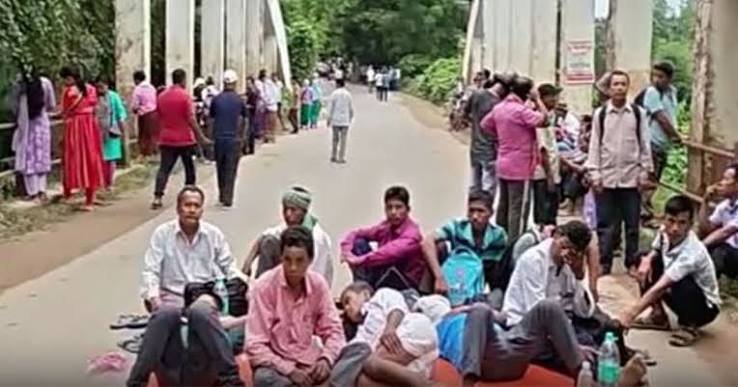
The protest disrupted road and railway movement at several locations. Protesters gathered in the Baramura area, while police and administrative officials moved to the affected sites and held talks with demonstrators. The agitation was announced earlier as a statewide shutdown beginning at 6 am on September 4.
Tripura blockade disrupts Assam-Agartala highway
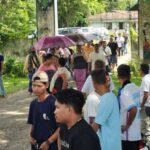
The Tripura blockade began early Friday at Chandra Sadhupada in the Baramura area. Protesters occupied the highway and set tyres on fire, bringing traffic to a virtual standstill.
Vehicles were stranded at multiple points as the road blockade affected one of the state’s main links with Assam. Similar disruptions were reported at Khowai Chowmuhani and Bighudas, where the protest also affected transport movement.
West Tripura Superintendent of Police Namit Pathak reached the protest site. Security was strengthened as police and civil administration officials worked to restore traffic and negotiate with the protesters.
Seven surrendered groups join the protest
The groups taking part include the National Liberation Front of Tripura (Original), NLFT (Parimal Debbarma), All Tripura Tiger Force, NLFT (Nayan Bashi), Joint Action Rehabilitation Committee, Joint Action Committee and ATTF (Old).
The organisations represent returnee cadres from former insurgent formations. They have argued that commitments made after their return to the mainstream remain pending.
NLFT leader Thomas Tripura said the organisations had been engaged in discussions with the authorities for years. He also claimed that the 2024 agreement set a four-year framework for implementing its commitments, running until 2028.
Tripura blockade centres on 11 demands
The protesters’ 11-point charter includes immediate protection for their leaders and cadres and recognition and inclusion of the list of returnee cadres. They are also demanding implementation of the tripartite peace accord signed on September 4, 2024.
Another demand concerns the filling of pending Scheduled Tribe backlog vacancies. The groups have also called for withdrawal of police cases against surrendered cadres.
Furthermore, they want the Socio-Economic Development Package, or SEDP, to be implemented, including projects involving privately owned land and individual and selected beneficiaries.
These demands are linked to rehabilitation and economic support for former cadres, as well as commitments made during the peace process.
Indigenous issues add another layer
The Tripura blockade also reflects demands concerning indigenous communities. The groups are seeking safeguards for Tiprasa land and a separate administration.
They have additionally demanded adoption and implementation of the Roman script for Kokborok. Other points include a unified customary law for Tiprasa communities and restoration and renaming of traditional village names.
The organisations also want powers related to land acquisition and allotment transferred to the Tripura Tribal Areas Autonomous District Council. These issues connect the protest to wider debates over indigenous rights and governance in the state.
Railway movement also affected
The agitation has not been limited to roads. Reports said protesters also blocked a railway route at Bighudas, disrupting train movement.
A police account cited by IANS-based reports put the number of surrendered cadres involved in road and rail blockades at around 400. Another report said the Northeast Frontier Railway cancelled or short-terminated 10 trains because of the disruption.
Talks will shape the next phase
The Tripura blockade is scheduled to continue for 72 hours unless the protesters decide otherwise. The groups have said they want the Centre and state government to act on the commitments made during the peace process.
The agitation comes two years after the September 4, 2024 tripartite agreement under which surrendered groups laid down arms. Earlier in August, leaders had announced the September shutdown, alleging delays in implementing rehabilitation measures.
For now, authorities face the task of managing transport disruption while engaging with the protesters. The response to the 11 demands and the progress of talks are likely to determine whether the blockade ends within the announced 72-hour period or leads to further agitation.