






Assam is currently witnessing a unique confluence of culture and politics as the vibrant celebrations of Rongali Bihu unfold alongside intense election campaigning. The Assam Rongali Bihu elections phase has created a dynamic atmosphere where traditional festivities and political mobilization are shaping public life simultaneously.
Read More: Meghalaya CM launches Mission 1000 Days to fight malnutrition
Rongali Bihu Brings Festive Spirit Across Assam
The festival of Rongali Bihu marks the Assamese New Year and the onset of the agricultural season. It is the most significant cultural festival in the state, celebrated with music, dance, feasting, and community gatherings.
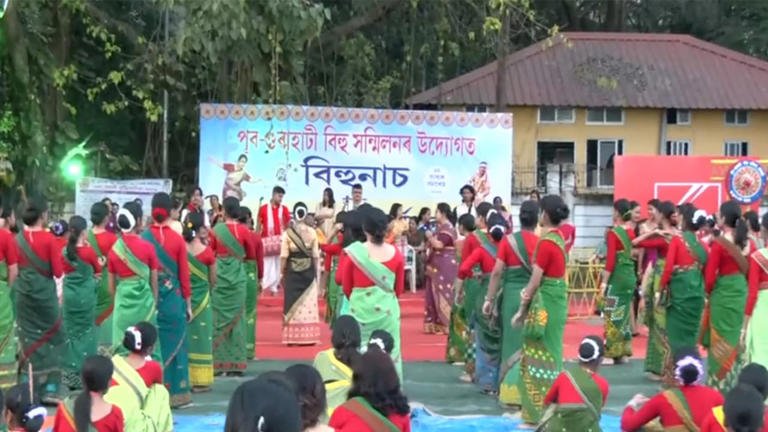
Across Assam, people have come together to celebrate with traditional Bihu dances, folk songs, and cultural performances. Villages and towns are adorned with festive decorations, and open grounds host Bihu functions that draw large crowds.
The spirit of Rongali Bihu reflects joy, renewal, and unity. It provides an opportunity for communities to reconnect and celebrate their cultural heritage.
Election Campaigns Gain Momentum
At the same time, political parties have intensified their campaigns as the state heads toward crucial elections. Leaders are traveling across constituencies, holding rallies, and engaging with voters.
The Assam Rongali Bihu elections period has seen political activity reach its peak. Campaign speeches, door-to-door outreach, and public meetings are being conducted alongside festive celebrations.
Parties are focusing on key issues such as development, employment, and governance while trying to connect with voters during this culturally significant time.
Blend of Culture and Politics
The overlap of Rongali Bihu and election campaigning has created a unique blend of cultural and political engagement. Political leaders are participating in Bihu celebrations, attending cultural events, and interacting with local communities.
This approach allows leaders to connect with voters in a more informal and culturally resonant setting. By joining in the festivities, they aim to build rapport and strengthen their appeal.
The Assam Rongali Bihu elections dynamic highlights how cultural events can become important platforms for political outreach.
Campaign Strategies Adapt to Festive Mood
Political parties have adjusted their campaign strategies to align with the festive atmosphere. Instead of aggressive rhetoric, many leaders are adopting a more celebratory tone in their interactions.
Campaign events are being scheduled around Bihu functions, ensuring maximum participation. Leaders are also using cultural references in their speeches to connect with the audience.
This strategy reflects an understanding of the emotional and cultural significance of Rongali Bihu. By respecting local traditions, parties aim to create a positive impression among voters.
Public Engagement at Its Peak
The simultaneous occurrence of festivals and elections has led to high levels of public engagement. People are actively participating in both cultural events and political discussions.
Bihu gatherings have become spaces for informal political conversations. Voters are discussing issues, evaluating candidates, and sharing opinions in a relaxed environment.
The Assam Rongali Bihu elections phase thus provides a unique setting where cultural celebration and democratic participation intersect.
Economic Boost During Festive Season
Rongali Bihu also brings economic activity, with markets witnessing increased demand for traditional attire, food items, and decorations. Local businesses benefit from the festive spending.
At the same time, election campaigns contribute to economic activity through event organization, travel, and publicity efforts. Together, these factors create a vibrant economic environment.
The combination of festival and elections adds momentum to local economies across the state.
Challenges in Managing Dual Activities
While the overlap of festivals and elections brings energy, it also presents logistical challenges. Authorities must ensure that both celebrations and political events are conducted smoothly.
Security arrangements have been strengthened to manage large gatherings. Coordination between administrative agencies is essential to maintain order and safety.
Additionally, political parties must be mindful of maintaining decorum during the festive period. Respecting cultural sentiments is crucial to avoid controversy.
Cultural Identity and Political Messaging
Rongali Bihu plays a significant role in shaping Assamese identity. Political parties often incorporate cultural themes into their messaging during this period.
Leaders highlight their commitment to preserving traditions and promoting cultural heritage. This approach resonates with voters who value their identity and customs.
The Assam Rongali Bihu elections phase thus becomes a platform for reinforcing cultural connections while addressing political issues.
Voter Sentiment and Decision-Making
The festive atmosphere can influence voter sentiment. Positive interactions during Bihu celebrations may shape perceptions of political leaders.
At the same time, voters are evaluating promises and performance. Issues such as employment, development, and governance remain central to decision-making.
The combination of cultural engagement and political discourse creates a dynamic environment for voter interaction.
Conclusion
The simultaneous celebration of Rongali Bihu and election campaigning has created a unique moment in Assam’s political and cultural landscape. The Assam Rongali Bihu elections phase reflects the deep connection between tradition and democracy in the state.
As people celebrate their heritage and participate in the democratic process, the state showcases a vibrant blend of culture and politics. The coming days will reveal how this dynamic influences electoral outcomes.
Ultimately, the coexistence of Rongali Bihu and elections highlights the resilience and diversity of Assam, where cultural pride and political participation go hand in hand.
Read More: Tipra Motha Acting Like Opposition Despite Cabinet Role: Manik Saha

