





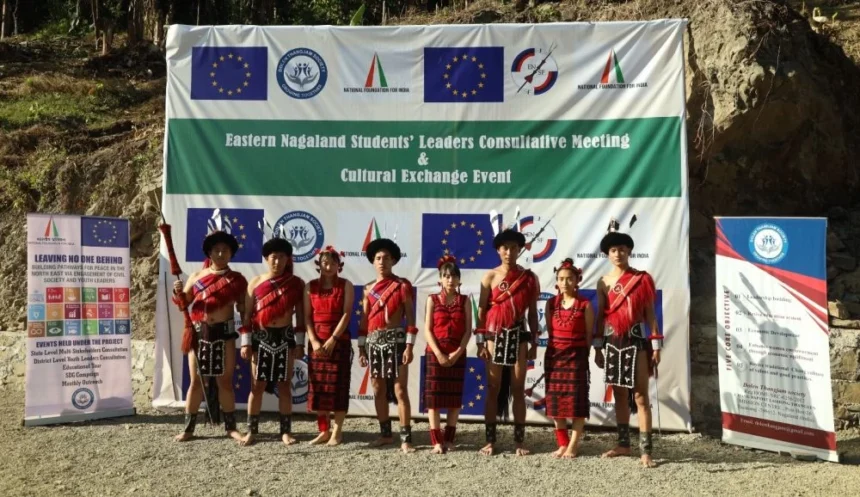
The Tuensang Tribal Summit brought together traditional tribal councils in Tuensang to advocate for peace and strengthen cultural exchanges among communities. The gathering highlighted the importance of dialogue, mutual understanding, and the preservation of indigenous traditions while encouraging continued cooperation among tribal groups.
Mokokchung Coffee Exports Reach Milestone
Tuensang Tribal Summit Focuses on Peace and Community Dialogue
The Tuensang Tribal Summit witnessed the participation of traditional tribal councils that met in Tuensang to advocate for peace and promote cultural exchanges. According to the available information, the summit served as a platform for community leaders to discuss the importance of harmony and stronger inter-tribal relationships.
Traditional tribal councils have long played an important role in preserving customs, resolving community issues, and strengthening social unity. Moreover, gatherings such as the summit encourage constructive dialogue and reinforce shared cultural values.
The meeting reflects continued efforts to foster peaceful coexistence through communication and cooperation. Therefore, the summit highlights the significance of community-led initiatives in promoting social harmony.
The latest event also emphasizes the value of preserving indigenous traditions while encouraging meaningful engagement among different tribal communities. Additionally, cultural exchanges help strengthen mutual respect and understanding.
Tuensang Tribal Summit Encourages Cultural Exchange
The Tuensang Tribal Summit placed significant emphasis on promoting cultural exchanges among tribal communities. Cultural interactions provide opportunities to celebrate traditional customs, languages, art, music, and heritage while strengthening relationships between communities.
Moreover, such exchanges help preserve indigenous knowledge by encouraging communities to share and appreciate their cultural identities. Consequently, the summit contributes to safeguarding Nagaland’s rich and diverse tribal heritage.
Traditional councils continue to serve as custodians of cultural values and community traditions. Furthermore, their participation reinforces the importance of preserving heritage while supporting peaceful cooperation.
The available information confirms that tribal councils met to advocate for peace and cultural exchanges. However, no additional details have been released regarding specific resolutions or agreements adopted during the summit.
Traditional Councils Strengthen the Tuensang Tribal Summit
The Tuensang Tribal Summit demonstrates the continuing importance of traditional tribal councils in community leadership and cultural preservation. These institutions often facilitate dialogue, encourage consensus-building, and help maintain longstanding customs and practices.
Additionally, tribal gatherings create opportunities for community leaders to discuss shared priorities and strengthen social cooperation. This collaborative approach supports peaceful relationships among different groups.
The summit also reflects the value of community participation in promoting unity and preserving indigenous traditions. Meanwhile, discussions centered on peace and cultural exchange reinforce the importance of respectful engagement among tribal communities.
The available information does not indicate any formal policy decisions resulting from the meeting. Therefore, the summit should be viewed as a platform for dialogue and cooperation based on the official information released.
The gathering highlights the continued relevance of traditional institutions in supporting community development.
Tuensang Tribal Summit Promotes Unity and Cultural Heritage
The Tuensang Tribal Summit carries broader significance for cultural preservation and community harmony across Nagaland. Peaceful dialogue and cultural exchange contribute to stronger relationships while encouraging respect for the traditions of different tribal communities.
Moreover, preserving indigenous heritage helps maintain cultural diversity for future generations. Community-led initiatives also strengthen awareness of traditional values and promote social cohesion.
The participation of traditional tribal councils demonstrates a shared commitment to peaceful coexistence and cultural preservation. Similarly, regular cultural interactions encourage understanding and cooperation among communities.
Promoting peace through dialogue remains an important element of community development. Consequently, the Tuensang Tribal Summit serves as a valuable forum for strengthening cultural ties and fostering long-term harmony.
As similar initiatives continue, future official updates may provide additional information regarding outcomes and follow-up programmes.
Conclusion
The Tuensang Tribal Summit brought traditional tribal councils together in Tuensang to advocate for peace and encourage cultural exchanges among communities. The gathering highlighted the importance of dialogue, cooperation, and preserving indigenous traditions through community participation.
Furthermore, cultural exchanges strengthen mutual understanding while supporting the protection of Nagaland’s rich tribal heritage. The summit also demonstrated the continued role of traditional councils in promoting unity and constructive engagement.
Overall, the Tribal Summit represents an important initiative for fostering peace, preserving cultural identity, and encouraging cooperation among tribal communities. As community dialogue continues, such gatherings are expected to contribute to stronger social harmony and greater appreciation of the state’s diverse cultural heritage.
FAQs
1. What is the Tuensang Tribal Summit?
The Tribal Summit is a gathering where traditional tribal councils met in Tuensang to advocate for peace and promote cultural exchanges.
2. Who participated in the summit?
According to the available information, traditional tribal councils participated in the summit.
3. What was the main objective of the Tuensang Tribal Summit?
The summit aimed to promote peace, strengthen community dialogue, and encourage cultural exchanges among tribal communities.
4. Why are cultural exchanges important?
Cultural exchanges help preserve indigenous traditions, strengthen mutual understanding, and promote respect among different communities.
5. Were any official agreements announced at the summit?
No. The available information does not mention any formal agreements or policy decisions resulting from the meeting.