






The Manipur shutdown has disrupted normal life across several districts after the killing of three Meitei civilians in a suspected militant attack near the Khongbal Tangkhul foothills. The 48-hour statewide strike, called by the Native People Committee Manipur (NPCM), began at midnight on October 19.
Markets, educational institutions and business establishments remained closed in several valley districts on Tuesday, October 20. Public transport also stayed largely off the roads as protesters demanded action against those responsible for the killings and stronger measures to protect civilians.
Manipur Shutdown Affects Markets and Transport
The Manipur shutdown affected daily activities in Imphal East, Imphal West, Thoubal, Bishnupur and Kakching districts. Most shops, markets, educational institutions and business establishments remained closed as residents observed the strike.
Public transport services were largely suspended. However, a few private vehicles continued to operate in some areas, according to media reports.
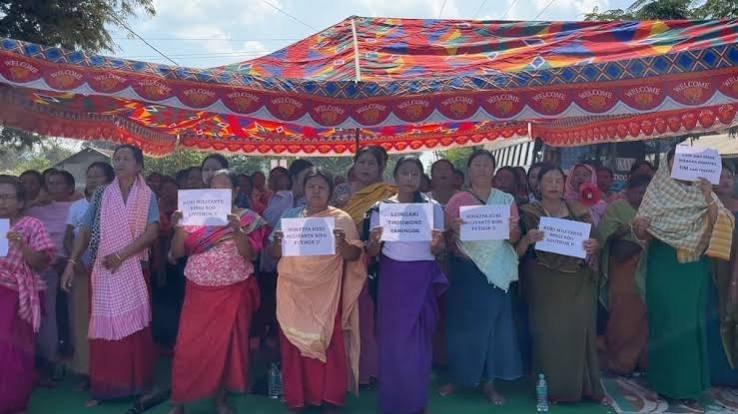
Meanwhile, members of the NPCM staged protests and blocked roads at several locations in Imphal East and Imphal West. Demonstrations reflected growing public anger over the deaths and concerns about the security situation.
The shutdown was called for Tuesday and Wednesday, October 20 and 21. The organisation urged the public to observe the strike peacefully while pressing the authorities to take concrete action.
Three Meitei Civilians Killed in Attack
The shutdown followed an attack on civilians who had reportedly gone to collect firewood in a forested area near the Khongbal Tangkhul foothills. The incident occurred near the border areas of Imphal East and Kangpokpi districts.
Three Meitei civilians died in the attack, while several others sustained injuries. Reports identified the victims as residents of Nongshum and Uyumpok in Imphal East district.
The killings triggered protests and renewed fears of escalating ethnic tensions in the state. Residents questioned the safety of civilians who enter forest areas to collect firewood and carry out other routine activities.
However, the circumstances surrounding the attack remain subject to investigation. Allegations against suspected armed groups have not, by themselves, established the responsibility of any individual or organisation.
The incident has also intensified calls for stronger security arrangements in vulnerable areas, particularly those near district boundaries and forested foothills.
NPCM Demands Action From Government
The NPCM called the 48-hour strike to press the state government and security agencies to act against those allegedly responsible for the killings.
The organisation demanded a transparent, time-bound investigation and the identification and removal of unauthorised armed camps in vulnerable areas. It also called for stronger security deployment to protect civilians.
Additionally, the committee sought a time-bound decision on the Suspension of Operations (SoO) agreement, which governs arrangements involving certain armed groups in Manipur.
The NPCM also demanded the resignation of Deputy Chief Minister Nemcha Kipgen over concerns about the government’s handling of the security situation. These demands represent the committee’s position and have not been established as findings of an independent investigation.
The organisation warned that further protests could follow if the authorities failed to meet its demands. It urged the government to take steps that would restore public confidence and prevent additional violence.
Security Tightened Amid Rising Tensions
Meanwhile, authorities increased security around sensitive locations in Imphal as protests continued. The killings and subsequent demonstrations have renewed concerns about the fragile security situation in Manipur.
The state has experienced prolonged ethnic violence since May 2023. Therefore, fresh attacks and retaliatory incidents raise fears that tensions could spread further unless authorities contain the situation.
Security agencies have launched search operations in the area linked to the latest attack. Officials have also faced mounting pressure to identify those responsible and prevent further violence.
The shutdown has added to the difficulties faced by residents, traders, students and commuters. Although protests have highlighted demands for accountability, prolonged disruptions can also affect access to routine services and livelihoods.
Reports indicated that essential services, including healthcare and emergency assistance, were exempted from the strike. Keeping these services accessible remains important as authorities work to maintain order.
Manipur Shutdown Highlights Urgent Need for Safety
The Manipur shutdown has brought civilian security and government accountability back into focus. The three deaths have deepened public concern, while the strike has disrupted routine activities across several districts.
The immediate priorities remain a credible investigation, lawful action against those found responsible and effective protection for vulnerable communities. Authorities must also ensure that emergency services continue to operate without obstruction.
Overall, the response to the killings will be closely watched as residents seek accountability and greater security. A transparent investigation and sustained efforts to prevent further attacks will be essential to easing tensions and restoring public confidence.