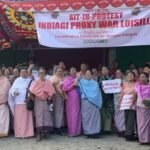
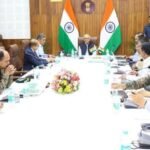




The Fisheries Case Protest was officially called off after the Joint Action Committee (JAC) held a successful meeting with the Home Minister. Moreover, the discussions reportedly addressed the committee’s concerns regarding the fisheries-related case, leading organizers to suspend their planned peaceful protest rally. Consequently, the decision highlighted the role of dialogue and consultation in resolving public grievances while maintaining law and order.
Ziro Valley Dree Festival Congregations Unite Thousands
Fisheries Case Protest Withdrawn Following High-Level Meeting
The Fisheries Case Protest was withdrawn after representatives of the Joint Action Committee met with the Home Minister to discuss issues related to the fisheries case. Furthermore, both sides engaged in constructive discussions aimed at finding a peaceful way forward.
Peaceful dialogue remains an important mechanism for resolving disputes between public authorities and community organizations. Consequently, the meeting resulted in the cancellation of the proposed demonstration.
Moreover, the committee stated that it would temporarily suspend its protest programme following the discussions. Therefore, the scheduled rally did not take place.
Additionally, officials and JAC representatives are expected to remain in communication regarding the matters raised during the meeting. Thus, the issue will continue to be addressed through consultation.
Home Minister Holds Discussions With Joint Action Committee
The Fisheries Case Protest was halted after the Home Minister met with members of the Joint Action Committee to hear their concerns. Furthermore, the interaction reflected the government’s willingness to engage with stakeholders through dialogue.
Meetings between government representatives and public organizations often help reduce tensions and promote mutual understanding. Consequently, constructive engagement can contribute to peaceful dispute resolution.
Moreover, the discussions focused on issues connected to the fisheries case and possible administrative responses. Therefore, continued communication may assist in addressing pending concerns.
Similarly, open dialogue encourages transparency and cooperation between authorities and civil society groups. Additionally, such consultations help build public confidence in institutional processes.
Protest Suspension Highlights Peaceful Resolution
The Fisheries Case Protest demonstrates how negotiations can provide an alternative to public demonstrations when both parties agree to continue discussions. Furthermore, the Joint Action Committee emphasized its decision to suspend the rally following the meeting.
Peaceful consultation plays an essential role in democratic governance. Consequently, resolving concerns through dialogue often supports public order while allowing stakeholders to present their viewpoints.
Moreover, the suspension of the protest reflects a willingness to pursue discussions before considering further action. Therefore, the focus has shifted from public demonstration to continued engagement.
Similarly, cooperative approaches can strengthen trust between citizens and government institutions. Additionally, constructive negotiations often create opportunities for lasting solutions.
Authorities and Stakeholders Continue Engagement
The Fisheries Case Protest may remain under review as discussions between the government and the Joint Action Committee continue. Furthermore, both sides are expected to maintain communication while the issues raised during the meeting are examined.
Government departments frequently engage with community organizations to address public concerns through established administrative channels. Consequently, continued dialogue remains important for ensuring effective governance.
Moreover, transparent communication helps reduce misunderstandings and encourages collaborative problem-solving. Therefore, officials are expected to monitor future developments closely.
Similarly, stakeholder participation contributes to informed policymaking and responsive administration. Additionally, peaceful engagement strengthens democratic institutions and public confidence.
Conclusion
The Fisheries Case Protest was officially called off after a successful meeting between the Joint Action Committee and the Home Minister, marking a positive step toward resolving the issue through dialogue. Moreover, the decision underscored the value of consultation and peaceful engagement in addressing public concerns.
Furthermore, both the government and the committee are expected to continue discussions regarding the fisheries-related case through appropriate administrative channels. Consequently, the suspension of the planned rally reflects a commitment to constructive communication rather than confrontation.
Looking ahead, sustained dialogue, transparent governance, and continued cooperation between authorities and community representatives will remain essential in resolving the Fisheries Case Protest and related concerns.
FAQs
1. Why was the Fisheries Case Protest called off?
The Joint Action Committee withdrew the planned protest after holding a successful meeting with the Home Minister.
2. Who organized the planned protest?
The protest was organized by the Joint Action Committee (JAC).
3. What was discussed during the meeting?
The discussions focused on concerns related to the fisheries case and possible administrative responses.
4. Will discussions continue after the protest was withdrawn?
Yes. The government and the Joint Action Committee are expected to continue engaging through dialogue.
5. Why is the Fisheries Case Protest significant?
The development highlights the importance of peaceful negotiations and constructive dialogue in addressing public concerns and maintaining social harmony.