





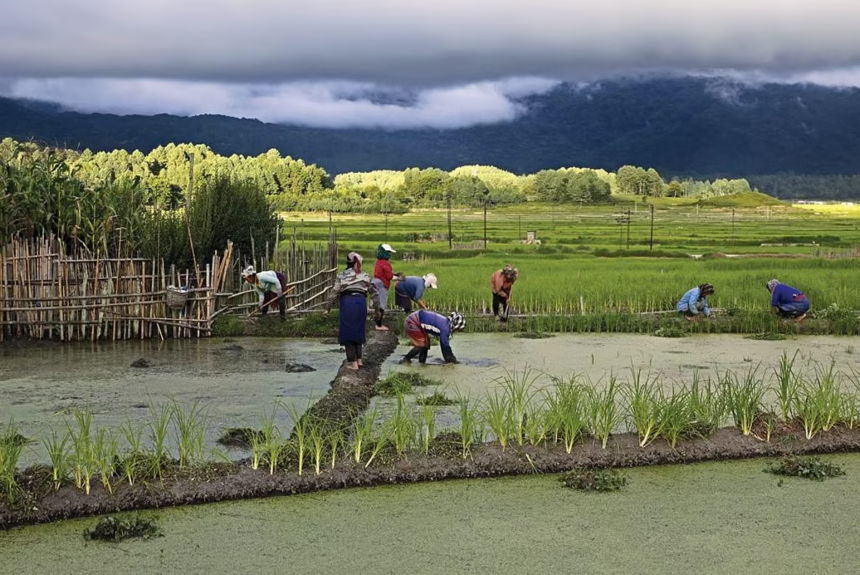
The Ziro Valley Dree Festival witnessed thousands of residents gathering across the scenic valley in Arunachal Pradesh to participate in centuries-old priestly rituals seeking protection for crops from pests and ensuring a prosperous harvest. Moreover, the large-scale congregations reflected the enduring cultural traditions of the Apatani community and their deep connection with agriculture. Consequently, the annual celebration reinforced the importance of preserving indigenous customs while promoting community unity and environmental harmony.
Kaziranga University Tech Innovation Roadmap Aims to Transform Northeast Education
Ziro Valley Dree Festival Draws Thousands of Participants
The Ziro Valley Dree Festival brought together thousands of residents who assembled to observe one of the Apatani tribe’s most important cultural and agricultural celebrations. Furthermore, families, elders, and youth participated collectively in ceremonies that have been preserved through generations.
The annual gathering serves as both a religious and cultural event rooted in the community’s agricultural traditions. Consequently, the festival continues to strengthen social bonds and reinforce shared cultural values.
Moreover, the large turnout highlighted the importance of the Dree Festival within the Ziro Valley community. Therefore, the event remains one of Arunachal Pradesh’s most prominent tribal celebrations.
Additionally, community participation ensures that traditional knowledge continues to be passed on to younger generations. Thus, the festival contributes to the preservation of indigenous heritage.
Traditional Priestly Rituals Seek Healthy and Pest-Free Crops
The Ziro Valley Dree Festival is renowned for its age-old priestly rituals performed to seek blessings for healthy, pest-free crops and a successful agricultural season. Furthermore, traditional priests lead ceremonial prayers according to long-established customs observed by the Apatani community.
Agriculture remains central to the cultural identity of the Apatani people. Consequently, these rituals symbolize gratitude toward nature while expressing hopes for favorable weather and abundant harvests.
Moreover, ceremonial offerings and traditional prayers reflect the community’s respect for ancestral beliefs. Therefore, the rituals continue to hold deep cultural and spiritual significance.
Similarly, the festival promotes awareness of sustainable agricultural traditions. Additionally, the ceremonies reinforce the close relationship between the community and its natural environment.
Cultural Traditions Strengthen Community Identity
The Ziro Valley Dree Festival provides an important platform for preserving the cultural heritage of the Apatani tribe. Furthermore, traditional music, dances, ceremonies, and community gatherings celebrate the tribe’s rich history and identity.
Cultural festivals encourage active participation from every generation. Consequently, younger community members gain firsthand experience of indigenous customs and values.
Moreover, shared celebrations foster unity and strengthen social cohesion. Therefore, the festival continues to serve as a symbol of collective identity within the Ziro Valley.
Similarly, cultural preservation contributes to the diversity of Arunachal Pradesh’s tribal heritage. Additionally, annual celebrations help keep longstanding traditions alive in a rapidly changing world.
Festival Showcases Arunachal Pradesh’s Indigenous Heritage
The Ziro Valley Dree Festival highlights the rich cultural diversity of Arunachal Pradesh while drawing attention to the unique traditions of the Apatani tribe. Furthermore, the annual celebration promotes appreciation for indigenous customs, traditional agriculture, and community-based cultural practices.
Traditional festivals also encourage cultural tourism and greater public awareness of tribal heritage. Consequently, they contribute to preserving valuable intangible cultural traditions.
Moreover, community-led celebrations strengthen local identity while promoting respect for indigenous knowledge systems. Therefore, the Dree Festival continues to occupy a significant place in the cultural landscape of Northeast India.
Similarly, ongoing efforts to document and preserve tribal festivals benefit future generations. Additionally, the celebration reflects the enduring relationship between culture, agriculture, and community life.
Conclusion
The Ziro Valley Dree Festival once again united thousands of residents in Arunachal Pradesh to participate in traditional priestly rituals seeking healthy, pest-free crops and a prosperous harvest. Moreover, the celebration reflected the Apatani tribe’s enduring respect for agriculture, ancestral customs, and community values.
Furthermore, the festival strengthened cultural identity by bringing together generations to preserve indigenous traditions through prayers, ceremonies, and cultural performances. Consequently, the event continues to stand as one of the most important tribal festivals in the region.
Looking ahead, continued efforts to preserve traditional knowledge, promote cultural awareness, and encourage youth participation will ensure that the Ziro Valley Dree Festival remains a vibrant symbol of Arunachal Pradesh’s rich tribal heritage.
FAQs
1. What is the Ziro Valley Dree Festival?
It is the annual agricultural festival of the Apatani tribe, celebrated in Ziro Valley with traditional prayers, rituals, and cultural events.
2. Why do traditional priests perform rituals during the festival?
The rituals seek blessings for healthy, pest-free crops, favorable weather, and a successful harvest season.
3. Who participates in the Dree Festival?
Thousands of residents, including families, elders, youth, and community leaders from the Apatani tribe, take part in the celebrations.
4. Where is the festival celebrated?
The festival is celebrated in the Ziro Valley of Arunachal Pradesh, the traditional homeland of the Apatani community.
5. Why is the Ziro Valley Dree Festival significant?
It preserves indigenous cultural traditions, strengthens community unity, and celebrates the Apatani tribe’s deep connection with agriculture and nature.