





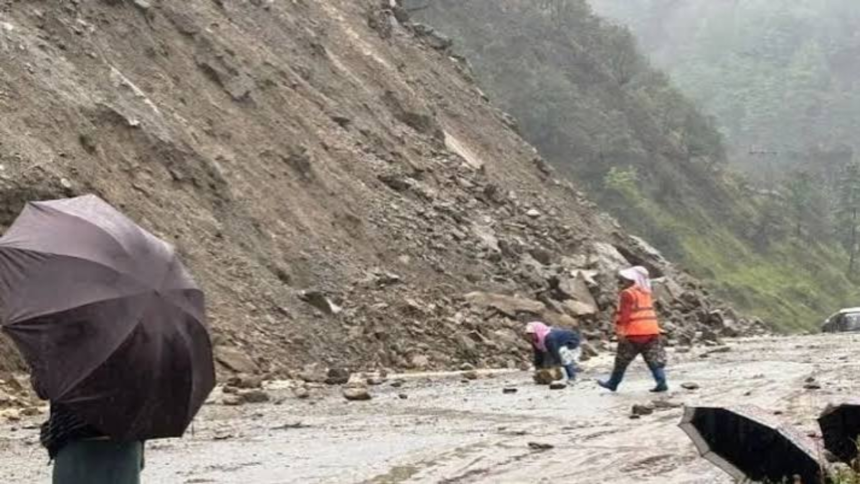
Fresh Kaliabor landslides have disrupted traffic on a national highway in Assam, creating difficulties for motorists and commuters travelling through the area. The incidents come amid continued monsoon activity across the state, when saturated slopes can become vulnerable to sudden movement.
The latest disruption has again highlighted the risks faced by road users along highway stretches passing through hilly and forested terrain in and around Kaliabor. Traffic movement has been affected as debris from the landslides reached the road.
Kaliabor landslides affect highway movement
The Kaliabor landslides have created fresh obstacles for vehicles using the highway. Falling soil, rocks and other debris can quickly narrow the carriageway and make movement difficult, particularly for heavy vehicles.
As a result, motorists have been forced to proceed cautiously through the affected stretch. Even when a road remains technically open, loose debris and unstable slopes can increase the risk of accidents.
The disruption is particularly significant because the Kaliabor area forms part of an important road network linking central Assam with destinations in Upper Assam. The highway also serves traffic travelling towards the Kaziranga region and other parts of the state.
Monsoon rain raises landslide concerns
The Kaliabor landslides come during a period when heavy rain has repeatedly affected road connectivity across Assam and the wider Northeast.
Continuous rainfall can saturate soil on slopes, reducing stability and increasing the possibility of fresh slides. Therefore, even after an initial blockage is cleared, additional debris can fall if rain continues.
Assam has witnessed similar weather-related highway disruptions in recent years. In July 2026, heavy rain and a landslide affected traffic on NH-27 at Jorabat, where restoration teams worked to clear mud and improve drainage.
Traffic disruption adds to road safety risks
The Kaliabor landslides also raise concerns for road safety. Drivers approaching a landslide-affected section may have limited time to react if rocks or soil suddenly fall onto the road.
Moreover, wet surfaces can reduce vehicle control and visibility. Heavy trucks and buses may face additional difficulties while negotiating narrow or partially obstructed sections.
For commuters, delays can increase when vehicles slow down or when authorities need to regulate traffic near the affected location. Consequently, travellers using the route are advised to remain alert and follow any instructions issued by local authorities and highway agencies.
Kaliabor highway remains strategically important
The Kaliabor landslides have affected a road corridor that is also the focus of major infrastructure plans. The National Highways Authority of India has been pursuing the widening of the Kaliabor-Numaligarh section of NH-715 to four lanes.
The planned project covers more than 85 km and includes a 34.5-km elevated corridor through the Kaziranga National Park and Tiger Reserve. The Union government said the project is intended to improve connectivity while incorporating wildlife-friendly measures.
The highway development is expected to strengthen links across the region. However, the latest Kaliabor landslides underline the need for reliable maintenance and effective monitoring of vulnerable road sections during the monsoon.
Authorities face recurring monsoon challenge
The Kaliabor landslides show how quickly extreme weather can disrupt road connectivity. Clearing debris is only one part of the response. Authorities also need to monitor slopes and identify sections where further movement may occur.
Meanwhile, road users face uncertainty when weather conditions deteriorate. Timely warnings and traffic management can help reduce exposure to dangerous sections and prevent long delays.
Continued monitoring needed on highway
The latest Kaliabor landslides have once again drawn attention to the vulnerability of highway traffic during the monsoon. While immediate clearance can restore movement, continued rainfall may create fresh problems if unstable slopes remain saturated.
Therefore, regular inspection of vulnerable stretches, prompt debris removal and clear travel advisories remain important. For motorists, slower speeds and caution near damaged or debris-covered sections can also reduce risks.
Overall, the disruption is a reminder that highway connectivity depends not only on infrastructure expansion but also on effective monsoon preparedness. As the rainy season continues, monitoring the Kaliabor stretch will remain important for keeping traffic moving safely.