




By using this site, you agree to the Privacy Policy and Terms of Use.
Accept
Hindustan PioneerHindustan Pioneer
  • Home
  • Business
  • News
  • Education
  • Entertainment
  • Lifestyle
  • Travel
  • Web Stories
Reading: Malaria: Uncovering the Impact of a Deadly Parasitic Disease
Share
Notification Show More
Latest News
India: ECI Orders Dry Days in Poll-Bound States Ahead of 2026 Assembly Elections
April 20, 2026
Guwahati Woman Dies After Falling into Open Drain Amid Heavy Rain and Flooding
April 20, 2026
Meghalaya’s Klingson Marak Selected for Indian Team at IBSA Asian Blind Football Championship 2026 in Osaka
April 20, 2026
Infrastructure development under North East investment boost with multiple projects announced by DoNER
North East Investment Boost: ₹4 Lakh Crore Projects Announced by DoNER
April 20, 2026
Security forces conducting search after Tripura detention break escape from centre
Tripura Detention Break Shock: 18 Immigrants Escape from Centre
April 20, 2026
Aa
Aa
Hindustan PioneerHindustan Pioneer
  • Home
  • Business
  • News
  • Education
  • Entertainment
  • Lifestyle
  • Travel
  • Web Stories
Follow US
  • Advertise
  • Editorial Policy
  • Contact Us
© 2022 Foxiz News Network. Ruby Design Company. All Rights Reserved.
Home » Blog » Malaria: Uncovering the Impact of a Deadly Parasitic Disease
Misc

Malaria: Uncovering the Impact of a Deadly Parasitic Disease

Fairooz Maliha Hasan
By Fairooz Maliha Hasan Published September 5, 2023 3 Min Read
Share
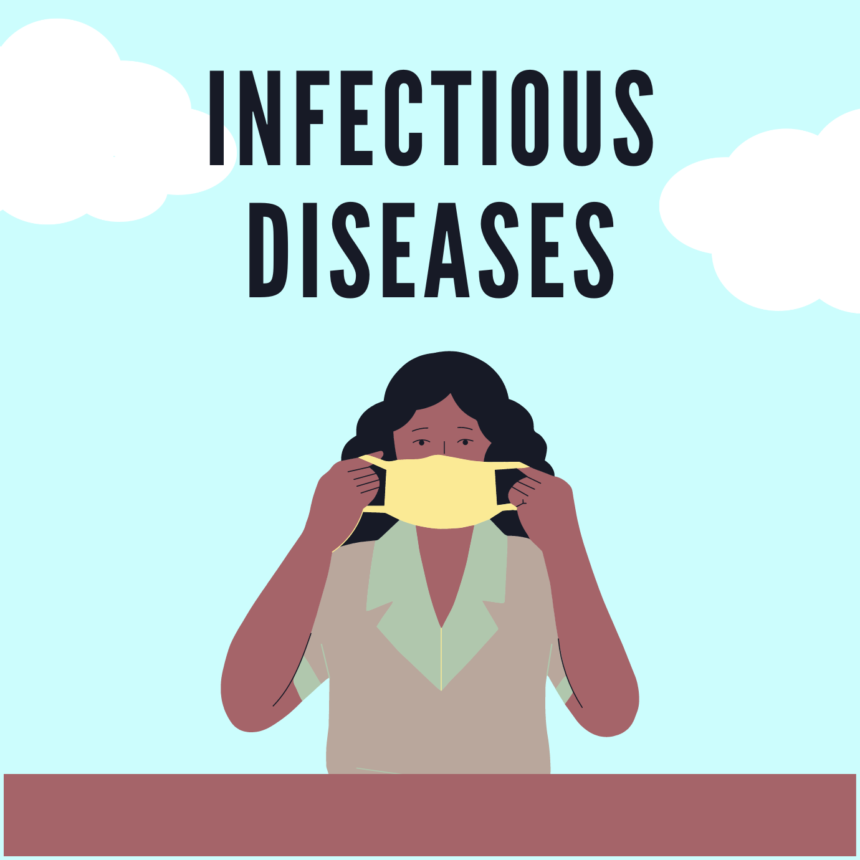
Infectious-Diseases
SHARE

Malaria, a mosquito-borne parasitic disease, has been a scourge on humanity for centuries, particularly affecting tropical and subtropical regions. This article explores the profound impact of malaria, its causes, symptoms, treatment, and ongoing efforts to combat this deadly disease.

The Parasite and Its Vectors:

Malaria is caused by Plasmodium parasites, with five species known to infect humans. These parasites are primarily transmitted through the bites of infected female Anopheles mosquitoes.

Global Impact:

Malaria is a global health crisis, with a particularly devastating impact in sub-Saharan Africa. Here are some key statistics:

  1. High Mortality: Malaria claims the lives of hundreds of thousands of people each year, mostly young children under the age of five.
  2. Economic Burden: Malaria places a heavy economic burden on affected countries, reducing productivity and healthcare costs.
  3. Cycle of Poverty: The disease perpetuates poverty by affecting the productivity of individuals and communities.

Symptoms and Complications:

Malaria manifests with a range of symptoms, including:

  1. Fever and Chills: These are the hallmark symptoms of malaria and occur in cycles.
  2. Fatigue: Malaria can cause severe fatigue and weakness.
  3. Anemia: The destruction of red blood cells is common in malaria, leading to anemia.
  4. Organ Damage: Severe cases can lead to organ damage, particularly affecting the liver, spleen, and brain, resulting in cerebral malaria.

Treatment and Prevention:

  1. Antimalarial Drugs: Artemisinin-based combination therapies (ACTs) are the primary treatment for malaria. However, drug resistance is a growing concern.
  2. Insecticide-Treated Nets: Sleeping under insecticide-treated bed nets is a critical prevention measure.
  3. Indoor Residual Spraying: Spraying insecticides indoors can help reduce mosquito populations.
  4. Vaccination: The development of a malaria vaccine, such as the RTS,S/AS01 vaccine, represents a significant breakthrough in malaria prevention.

Challenges and Ongoing Efforts:

  1. Drug Resistance: The emergence of drug-resistant malaria strains poses a significant challenge to treatment.
  2. Mosquito Resistance: Some mosquito populations are developing resistance to insecticides.
  3. Climate Change: Climate change can alter the distribution and behavior of mosquitoes, affecting malaria transmission.

Global Initiatives:

  1. The Roll Back Malaria Partnership: This global initiative aims to reduce malaria-related deaths and provide universal access to malaria prevention and treatment.
  2. The Global Fund: This organization provides funding for malaria control programs, including the distribution of bed nets and antimalarial drugs.

Conclusion:

Malaria remains a pressing global health issue, but progress is being made. Ongoing research, investment in prevention and treatment, and international cooperation offer hope in the fight against this deadly parasitic disease. With continued efforts, malaria’s devastating impact can be reduced, and ultimately, eradicated.
You Might Also Like

Hydropower Revenue Surge: Arunachal Sees Major Income Boost

Digital Connectivity Leap: Powerful 5G Expansion Transforms Remote Villages

Border Trade Resumption Boost: Revival of Meghalaya Border Haats

Anti Drug Operations Success: Massive Narcotics Seizure Breakthrough

Manipur Handloom Expo Showcase: Vibrant Northeast Artisan Boost

TAGGED: diseases, Health, Hindustan Pioneer, Hindustanpioneer, Malaria
Fairooz Maliha Hasan September 5, 2023
Share this Article
Facebook Twitter Whatsapp Whatsapp LinkedIn Copy Link
Previous Article Infectious-Diseases Antibiotic Resistance: The Growing Challenge of Superbugs
Next Article Infectious-Diseases Tuberculosis (TB) Resurgence: Combating a Persistent Threat
Leave a comment

Leave a Reply Cancel reply

You must be logged in to post a comment.

Stay Connected

- Advertisement -

Latest News

India: ECI Orders Dry Days in Poll-Bound States Ahead of 2026 Assembly Elections
News
Guwahati Woman Dies After Falling into Open Drain Amid Heavy Rain and Flooding
News
Meghalaya’s Klingson Marak Selected for Indian Team at IBSA Asian Blind Football Championship 2026 in Osaka
News
Infrastructure development under North East investment boost with multiple projects announced by DoNER
North East Investment Boost: ₹4 Lakh Crore Projects Announced by DoNER
News

© 2022-2026 Hindustan Pioneer. All Rights Reserved.

  • About Us
  • Editorial Policy
  • Our Team
  • Contact Us

Removed from reading list

Undo
Welcome Back!

Sign in to your account

Lost your password?