





Itanagar, Arunachal Pradesh: The Arunachal Indigenous Tribes Forum (AITF) and Arunachal Christian Forum (ACF) have offered to mediate between the state government and groups opposing the proposed 11,200-megawatt Siang Upper Multipurpose Project. The initiative follows rising tensions and recent violence in Pasighat and Geku.
While AITF has formed a high-level committee to promote peace, ACF has proposed talks between the government and the Siang Indigenous Farmers Forum (SIFF). Both organisations have urged authorities to prioritise dialogue, address indigenous concerns and prevent further confrontation over the controversial hydropower project.
Read More: Assam: Two Suspected Cattle Smugglers Arrested, 11 Cattle Seized in Bilasipara Police Operation
Key Facts About the Siang Upper Multipurpose Project Dispute
- Location: Siang region, Arunachal Pradesh
- Project: Siang Upper Multipurpose Project
- Proposed Capacity: 11,200 megawatts (MW)
- Organisations Involved: AITF, ACF and SIFF
- Chief Minister: Pema Khandu
- Affected Areas: Pasighat, Geku and surrounding communities
- Main Concerns: Indigenous rights, livelihoods and environmental impacts
- Latest Development: AITF forms peace committee; ACF offers mediation
AITF Forms High-Level Committee to Restore Peace
The Arunachal Indigenous Tribes Forum has announced a high-level committee to assess tensions surrounding the proposed Siang dam project.
The decision follows recent incidents of violence in Pasighat and Geku. Consequently, the forum aims to encourage peaceful discussions between the government and affected communities.
Speaking at the Arunachal Press Club in Itanagar, AITF general secretary Tapi Tai stressed the importance of dialogue.
He explained that the initiative seeks an amicable solution rather than confrontation.
Additionally, an AITF Peace Committee will work under the high-level committee. Representatives from different indigenous communities will participate in the peace-building process.
Tai also clarified that the committee would maintain a neutral and independent position.
AITF Questions Heavy Security Deployment in Pasighat
Meanwhile, AITF criticised the heavy deployment of security personnel in Pasighat and neighbouring areas.
The forum questioned the government’s response to the growing unrest. Instead, it urged authorities to engage directly with affected families and local organisations.
Furthermore, AITF called for meaningful consultations, mutual understanding and confidence-building measures.
The organisation also encouraged government officials, intellectuals, youth groups and grassroots institutions to support constructive discussions.
According to the forum, peaceful engagement could help prevent further escalation.
Arunachal Christian Forum Offers Mediation Between Government and SIFF
The Arunachal Christian Forum has also expressed willingness to facilitate peace talks over the Siang Upper Multipurpose Project.
In a representation to Chief Minister Pema Khandu, ACF raised concerns about increasing tensions in the region.
Moreover, the forum urged the government to address public apprehensions through transparent communication.
ACF proposed preliminary discussions between the state government and the Siang Indigenous Farmers Forum.
However, the organisation clarified that mediation would require agreement from both sides.
The forum also emphasised that its initiative does not indicate support for or opposition to the proposed dam.
Instead, ACF intends to improve communication and build mutual trust.
Why Is the 11,200 MW Siang Dam Project Controversial?
The proposed Siang Upper Multipurpose Project aims to strengthen India’s energy and water security.
Additionally, planners envisage the project as a way to moderate floods and support regional development.
The project also carries strategic importance because of concerns surrounding upstream interventions in the Brahmaputra river basin.
However, sections of the local population oppose the proposal over possible environmental and social consequences.
Residents and indigenous organisations have raised concerns about agricultural livelihoods, community rights and downstream impacts.
Consequently, protests have emerged in parts of the Siang region, with some demonstrations leading to violence.
Why Is the Siang Region Important?
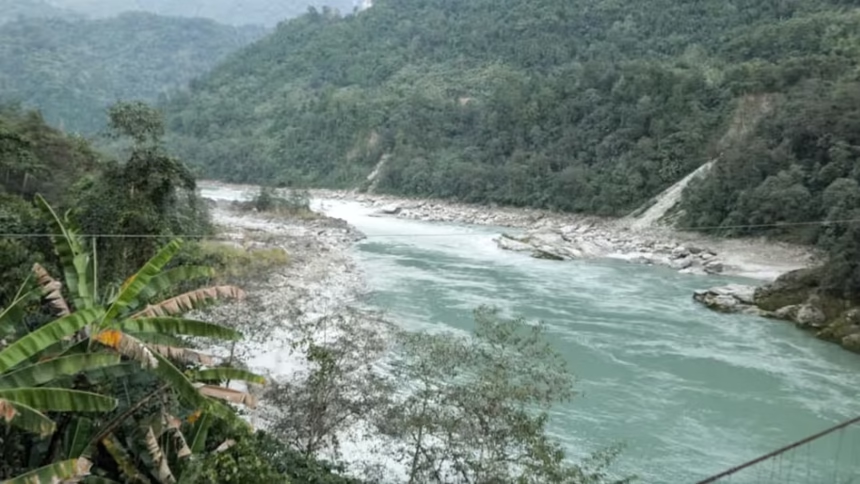
The Siang River flows through Arunachal Pradesh before joining other rivers to form the Brahmaputra in Assam.
Therefore, developments along the river can carry significant implications for communities across Northeast India.
The region also supports indigenous settlements, agriculture and river-dependent livelihoods.
As a result, local groups continue to demand meaningful participation in decisions concerning major infrastructure projects.
Frequently Asked Questions (FAQs)
1. What is the Siang Upper Multipurpose Project?
It is a proposed 11,200 MW multipurpose hydropower project in Arunachal Pradesh. The project aims to support electricity generation, water security and flood management.
2. Why are local communities opposing the Siang dam?
Opponents fear potential environmental damage, threats to indigenous rights, disruption of agricultural livelihoods and impacts on downstream communities.
3. Which organisations have offered mediation?
The Arunachal Indigenous Tribes Forum and Arunachal Christian Forum have offered to facilitate dialogue between the government and opposing groups.
4. What action has AITF taken?
AITF has formed a high-level committee and proposed a peace committee to engage stakeholders and restore calm.
5. Has the Arunachal Pradesh government accepted the mediation proposal?
The available reports do not confirm whether the government has accepted either mediation initiative.
Dialogue Remains Key to Resolving Siang Dam Dispute
Both AITF and ACF have urged peaceful negotiations to address the ongoing dispute.
Meanwhile, the proposed dam continues to raise questions about development, environmental protection and indigenous rights.
Further developments will depend on whether the government and opposing groups agree to participate in structured discussions.
Also Read: Meghalaya HIV mission now targets 9,244 people statewide