


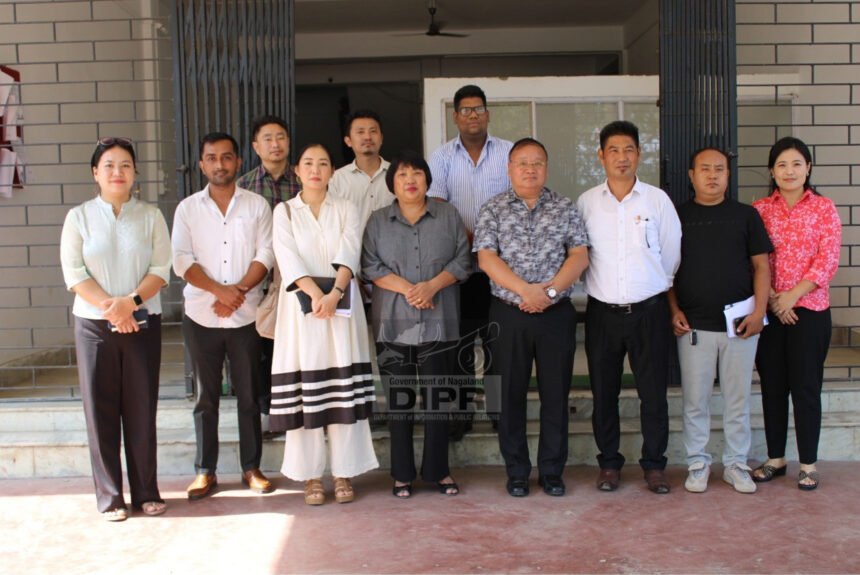
The Bharatiya Janata Party’s Nagaland unit has adopted a memorandum addressed to the President of India, seeking support for the Special Intensive Revision (SIR) of electoral rolls. The development followed a public dialogue organised by the party and its district units in Dimapur on November 6, 2026. The memorandum expressed support for the Election Commission of India’s constitutional authority and the ongoing voter verification exercise. BJP representatives said the revision aims to improve electoral roll accuracy and identify entries requiring verification. The initiative forms part of the party’s wider campaign, titled “Loktantra Bachao, Bheed Tantra Hatao”, which focuses on public awareness about the electoral revision process.
Gauhati High Court Quashes Pranab Doley’s NSA Detention
BJP Nagaland Adopts Memorandum Addressed to President
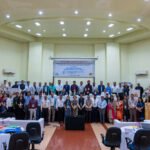
The BJP Nagaland unit adopted the memorandum during a dialogue held at the BJP Dimapur District Office.
The party organised the programme alongside its Chümoukedima, Niuland and Dimapur district units.
Eminent citizens and intellectuals who attended the dialogue signed the memorandum addressed to the President of India.
The document expressed support for the Special Intensive Revision and the Election Commission’s constitutional authority.
The programme formed part of the BJP’s “Loktantra Bachao, Bheed Tantra Hatao” campaign for 2026.
The party said the campaign aims to address public concerns and what it describes as misleading narratives surrounding the revision exercise.
BJP Yuva Morcha National Vice President Arvind Damani attended the event as the guest speaker.
He emphasised that the Election Commission conducts the SIR as an independent constitutional authority.
He also urged citizens to understand the official process and examine information carefully.
BJP Defends Election Commission’s Role in SIR
During the dialogue, Arvind Damani clarified that the SIR is an Election Commission exercise rather than a BJP-led government initiative.
He said the Commission has constitutional responsibility for preparing and maintaining electoral rolls.
The BJP argued that the revision would help identify deceased, shifted, absent and duplicate entries.
However, the party also stressed that eligible citizens must retain their voting rights.
Damani addressed claims circulating about large-scale voter deletions.
He said a widely discussed figure of approximately 13 crore represented entries flagged for verification at the draft stage nationally, not confirmed deletions.
He cited categories such as deceased voters, permanently shifted electors, absent or untraceable entries and suspected duplicates.
These figures were presented as part of his explanation during the party’s programme.
The Election Commission’s own verification and notice procedures determine which entries require correction or removal.
Nagaland SIR Records Enumeration Progress
Nagaland began its Special Intensive Revision in August 2026.
The Election Commission fixed October 1, 2026, as the qualifying date for the exercise.
According to the Chief Electoral Officer’s published progress report, the state had 13,57,208 electors before the revision.
During the enumeration phase, officials collected 11,99,456 enumeration forms.
This represented 88.38 per cent of the pre-revision electorate.
The official report also identified 28,944 deceased entries. It recorded 1,23,749 entries under absent, permanently shifted and other categories.
Additionally, officials identified 5,059 entries enrolled at multiple locations.
These figures describe entries requiring verification. They do not automatically establish that every listed person was ineligible.
The Election Commission’s process allows genuine electors to seek inclusion through the prescribed application procedure.
Election Commission Provides Claims and Objection Mechanism
The SIR process includes several stages to protect the accuracy of electoral rolls. For this purpose, Nagaland published its draft electoral roll on September 20, 2026.
Initially, the Election Commission provided a claims and objections period until October 20. During this window, eligible citizens could apply for inclusion or request corrections through the prescribed forms.
Specifically, Form 6 supports applications for new voter registration. Meanwhile, Form 7 allows objections to proposed inclusions or requests for deletion. In addition, Form 8 covers changes such as shifting residence and correcting personal details.
The notice and disposal stage provides another opportunity to examine cases requiring further verification. During this phase, Electoral Registration Officers must issue notices and allow affected individuals to respond before removing any entry.
Furthermore, the state Chief Electoral Officer has outlined an appeal mechanism for people dissatisfied with an Electoral Registration Officer’s decision.
According to the latest reported extension, Nagaland’s notice and disposal phase will continue until November 25, 2026. Consequently, the final electoral roll publication is now scheduled for November 30.
BJP Highlights Form 6 and First-Time Voter Registration
The BJP also highlighted measures to encourage young and first-time voters to participate in the electoral process.
During the discussion, Damani described the revised Form 6 as an important tool for new voter registration. He also encouraged young citizens to understand the procedure and take part in electoral activities.
Moreover, the party stressed that accurate electoral rolls require cooperation from citizens, election officials and political organisations.
At the same time, the Election Commission has encouraged political parties to appoint Booth Level Agents to support verification at polling stations.
Nagaland’s official progress report records 872 Booth Level Agents appointed by the BJP. Additionally, other recognised political parties have also appointed their representatives.
These agents can participate in verification activities and raise concerns through established procedures. Therefore, their involvement can strengthen the monitoring process and help identify discrepancies in electoral records.
Memorandum Raises Broader Questions About Electoral Transparency
The memorandum reflects the BJP Nagaland unit’s position on the ongoing revision exercise. Through this initiative, the party wants the President to consider its concerns and support the Election Commission’s constitutional role.
However, the Election Commission remains responsible for implementing the SIR and deciding matters related to electoral registration. Importantly, the President’s receipt of a political memorandum does not automatically change Commission procedures or determine individual voter eligibility.
Meanwhile, the revision exercise requires transparency, accessible grievance mechanisms and adequate opportunities for eligible citizens to correct their records.
For Nagaland, the main challenge involves protecting genuine voters while officials verify entries that require further examination. Accordingly, civil society organisations, political parties and individual voters can contribute by checking draft records and using the available claims and appeals procedures.
Conclusion
The BJP Nagaland unit has adopted a memorandum addressed to the President of India, expressing support for the Special Intensive Revision of electoral rolls. The initiative followed a public dialogue in Dimapur on November 6, 2026, under the party’s “Loktantra Bachao, Bheed Tantra Hatao” campaign. During the programme, BJP representatives defended the Election Commission’s constitutional authority and explained the purpose of voter verification. Meanwhile, Nagaland’s SIR process continues through its notice and disposal stage. Following the latest reported extension, November 25 remains the deadline for this phase, while the final electoral roll is scheduled for publication on November 30, 2026.
FAQs
1. Why has BJP Nagaland submitted a memorandum to the President?
The party adopted the memorandum to express support for the Special Intensive Revision and the Election Commission’s constitutional authority.
2. When did BJP Nagaland adopt the memorandum?
The party adopted it during a public dialogue in Dimapur on November 6, 2026.
3. Who attended the Dimapur dialogue?
BJP Yuva Morcha National Vice President Arvind Damani attended as the guest speaker, alongside party representatives, citizens and intellectuals.
4. Who is conducting the Special Intensive Revision?
The Election Commission of India is conducting the SIR as part of its responsibility for preparing and maintaining electoral rolls.
5. When will Nagaland publish its final electoral roll?
Following the reported schedule extension, Nagaland will publish its final electoral roll on November 30, 2026.
6. Can voters challenge errors in the draft electoral roll?
Yes. Eligible citizens can use the prescribed claims, objections and appeal procedures to seek inclusion or correction.