



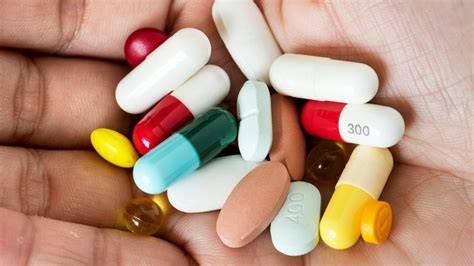
The government has announced a significant GST cut on cancer drugs, a move expected to ease the financial burden of patients across India. By reducing taxes on lifesaving medicines, the step aims to make cancer treatment more affordable and accessible. With the high costs often putting therapy out of reach for many families, this policy marks a critical shift in healthcare affordability.
Read More: Tripura’s Unemployment Rate Sees Steady Decline
Cancer treatment: a growing challenge in India
Cancer remains one of the leading causes of mortality in India, with millions of new cases detected every year. Treatment often requires a combination of surgery, chemotherapy, radiotherapy, and targeted medicines. However, the cost of these medicines is steep, forcing patients and their families to spend their savings or take loans.
Until now, the high GST rate on essential cancer drugs added further strain. By approving a GST cut on cancer drugs, the government has acknowledged this challenge and taken a concrete step to ease patients’ struggles.
What the GST reduction means for patients
The GST cut on cancer drugs will directly translate into lower prices at hospitals and pharmacies. Even a small percentage reduction can make a big difference, as cancer treatment often lasts for several months or even years.
For example, medicines that once cost lakhs annually may now see a substantial reduction. Families who previously struggled to afford doses regularly will now have improved access to necessary treatments. This will particularly benefit middle-class and lower-income households, who often bear the heaviest financial impact of prolonged illnesses.
Wider impact on healthcare affordability
The GST cut on cancer drugs is not just about cancer alone; it sends a wider message on prioritizing healthcare affordability in India. By slashing taxes on lifesaving medicines, the government has paved the way for discussions on reducing costs for other critical treatments such as heart disease, diabetes, and kidney disorders.
Healthcare experts believe this move could encourage patients to continue treatment without interruption. Many cancer patients discontinue therapy midway due to costs, reducing survival chances. Lower prices may help ensure better adherence and improved treatment outcomes.
Relief for hospitals and caregivers
Hospitals and oncologists have long urged the government to reduce taxes on cancer drugs, arguing that high prices discourage patients from seeking proper care. With this policy change, hospitals will now be able to offer medicines at reduced rates, ensuring transparency and fairness in billing.
Caregivers too will experience reduced pressure. Families often juggle between arranging funds for medicines and supporting the patient emotionally. The GST cut on cancer drugs will help ease their financial anxieties, allowing them to focus more on recovery and support.
A boost for equitable healthcare
Access to affordable treatment remains uneven across India, with rural areas particularly affected. Patients in smaller towns often travel to metro cities for specialized care, further increasing expenses. Lower costs of medicines will make cancer care more accessible to a broader section of the population, reducing disparities.
The move also aligns with India’s broader healthcare goals under initiatives like Ayushman Bharat, which seeks to provide affordable treatment to millions. By integrating reduced medicine costs with such schemes, the government can create a stronger healthcare safety net.
Economic implications of the tax cut
While the GST cut on cancer drugs means a reduction in tax revenue for the government, the long-term benefits outweigh the immediate fiscal impact. Affordable treatment ensures healthier citizens, reducing overall healthcare expenditure in the future. It also minimizes the risk of families slipping into poverty due to medical costs, a phenomenon often referred to as “medical impoverishment.”
Economists argue that such tax reforms represent a social investment, where the benefits of healthier citizens will eventually reflect in higher productivity and reduced pressure on public health systems.
Encouraging innovation and access
The GST cut on cancer drugs also creates opportunities for pharmaceutical companies to expand access. With reduced prices, the demand for medicines is likely to rise, encouraging companies to produce and distribute more widely. This could also push innovation, as affordability creates a stronger market for advanced therapies.
Global pharmaceutical firms may also view India as a more attractive destination for introducing cutting-edge treatments if affordability improves. This could bring the latest cancer drugs to Indian patients faster, bridging the gap between global and local healthcare access.
Expert and public reactions
Healthcare experts have welcomed the decision, calling it a step in the right direction toward making treatment patient-friendly. Oncologists believe the reduced drug costs will encourage patients to follow prescribed therapies more strictly, leading to better survival rates.
Public reactions on social media also reflect relief and appreciation, with many families sharing stories of how high medicine costs had affected them. Patient advocacy groups see this as a victory for years of campaigning for affordable cancer treatment.
The GST cut on cancer drugs is a landmark step in addressing one of India’s most pressing healthcare challenges. By making lifesaving medicines more affordable, the government has provided much-needed relief to patients and families battling cancer.
While this move will not solve all challenges in healthcare affordability, it sets a strong precedent. Future policies could extend similar relief to other critical illnesses, ensuring that no patient is denied treatment due to financial barriers.
As India moves toward building a more inclusive healthcare system, the GST cut on cancer drugs will be remembered as a turning point in the journey toward equitable, accessible, and affordable care.