





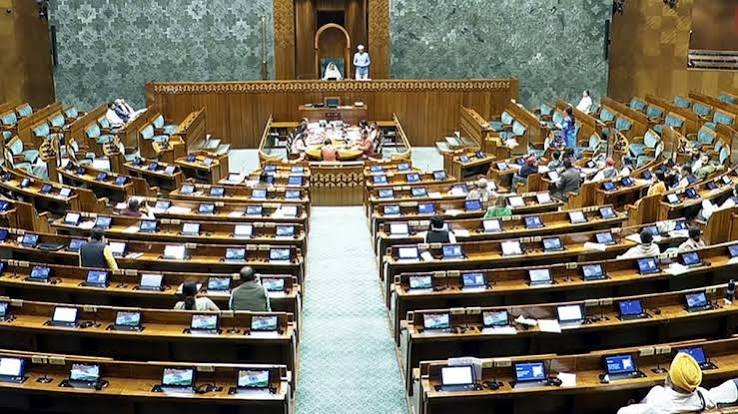
The Home Secretaries and Revenue Secretaries of both states are leading the direct administrative dialogue as officials work to address issues requiring coordination between the two governments. The involvement of senior officials places the discussions at a high administrative level and provides a formal mechanism for exchanging information and reviewing outstanding concerns.
The dialogue brings together departments responsible for internal administration, revenue matters, and related government coordination. Moreover, direct engagement between senior bureaucrats can help both sides examine administrative issues through official channels.
The talks also underline the importance of sustained communication between the two state governments. However, the available information does not specify the full agenda, timeline, or outcomes of the discussions.
Arunachal Kiwi Mission: Ziro Agro-Startups Receive Grants
Home Secretaries Lead Administrative Talks
The Home Secretaries of both states are presiding over the direct administrative dialogue.
Their participation places internal security and administrative coordination at the centre of the discussions. Furthermore, Home Departments often handle matters involving law and order, inter-state coordination, and other sensitive administrative issues.
Their involvement can therefore provide a structured framework for government-to-government communication.
However, officials have not publicly detailed every issue under discussion.
Revenue Secretaries Join the Dialogue
Revenue Secretaries from both states are also taking part in the discussions.
Revenue departments can play an important role in matters involving land administration, boundaries, records, and related government responsibilities. Additionally, their participation allows officials to examine administrative questions from a revenue and land-management perspective.
This creates a broader institutional representation at the negotiating table.
However, the precise revenue-related matters under consideration require confirmation from official statements.
Senior Bureaucrats Provide Direct Coordination
The involvement of senior officials allows both states to communicate through established administrative channels.
Direct discussions can help officials exchange documents, clarify positions, and identify areas requiring further examination. Moreover, senior bureaucrats can coordinate with their respective departments after each round of discussions.
This can reduce communication gaps between state administrations.
However, administrative dialogue does not necessarily guarantee immediate resolution of complex issues.
Home and Revenue Departments Have Different Roles
The participation of both departments reflects the potentially broad nature of the discussions.
Home Departments generally focus on internal security, law and order, and administrative coordination. Meanwhile, Revenue Departments handle areas such as land records and revenue administration.
Bringing both departments into the same dialogue can help officials address interconnected issues.
However, the exact responsibilities of each delegation will depend on the agenda agreed upon by both states.
Direct Dialogue Can Reduce Administrative Gaps
Regular communication between senior officials can help prevent misunderstandings.
Government departments often need accurate information from their counterparts before making administrative decisions. Furthermore, direct dialogue can allow officials to clarify disputed information and establish a common understanding of issues.
This can improve the efficiency of inter-state coordination.
However, major decisions may still require approval from state governments or other competent authorities.
Inter-State Coordination Remains Important
Relations between neighbouring states often involve issues that require cooperation rather than unilateral action.
Administrative boundaries, security concerns, movement of people, and land-related matters can affect both sides. Moreover, coordination between departments can help prevent local disagreements from developing into larger administrative disputes.
The current dialogue provides a formal platform for such engagement.
However, the long-term outcome will depend on the willingness of both sides to maintain communication.
Dialogue Creates an Official Record
Formal administrative meetings can also establish a documented record of discussions.
Officials can record decisions, pending issues, proposals, and areas requiring further consultation. Additionally, documented discussions can help future officials understand the background of ongoing negotiations.
This can provide continuity even when administrative personnel change.
However, not all details of sensitive discussions may become publicly available.
Local Administration May Support Implementation
Senior-level decisions often require implementation by district and field-level authorities.
Once both states agree on administrative measures, local officials may need to coordinate their execution. Furthermore, district administrations can provide information about ground-level conditions and report challenges to state authorities.
This creates a link between high-level dialogue and local implementation.
However, implementation timelines will depend on the decisions reached during the discussions.
Security and Revenue Issues Can Overlap
Some inter-state disputes involve both security and land-administration dimensions.
For example, disagreements over territory can create local tensions while also requiring examination of official land records. Moreover, security officials may need accurate administrative information when managing sensitive areas.
The participation of both Home and Revenue Secretaries can therefore support a more comprehensive approach.
However, officials must establish the factual and legal basis of individual issues before reaching conclusions.
Communication Can Support Stability
Regular dialogue can help maintain stability during periods of administrative sensitivity.
Senior officials can use direct communication to address emerging concerns before they escalate. Additionally, a formal channel allows both governments to raise issues without relying exclusively on public statements.
This can create greater predictability in inter-state relations.
However, public communication remains important when decisions directly affect residents.
What Happens Next?
The Home and Revenue Secretaries are expected to continue discussions as both states examine the issues on their agenda.
Further meetings may focus on specific administrative matters, documentation, and possible solutions. Moreover, state governments may review recommendations emerging from the bureaucratic dialogue before taking additional decisions.
The process could therefore continue through multiple administrative stages.
However, the available information does not establish a final timeline for completing the discussions.
Conclusion
The participation of the Home Secretaries and Revenue Secretaries of both states places senior administrative officials at the centre of the ongoing direct dialogue. Their involvement allows the two governments to address security, revenue, land, and broader administrative matters through an established official channel.
Moreover, direct engagement can improve communication and reduce administrative misunderstandings. At the same time, complex inter-state issues may require sustained negotiations and decisions at multiple levels of government.
Overall, the senior-level dialogue represents an important administrative mechanism for maintaining coordination between the two states and working toward practical solutions to issues that require joint attention.
FAQs
1. Who is leading the administrative dialogue?
The Home Secretaries and Revenue Secretaries of both states are leading the direct administrative discussions.
2. Why are Home Secretaries involved?
Their departments handle important areas such as internal administration, law and order, and inter-state coordination.
3. Why are Revenue Secretaries participating?
Revenue officials can address land administration, revenue records, and other matters connected with territorial or administrative issues.
4. Can the dialogue immediately resolve disputes?
Not necessarily. Complex issues may require multiple rounds of discussions and approval from the respective state governments.
5. What could happen after the meetings?
Officials may document decisions, identify pending matters, and recommend further administrative or political action to their respective governments.