





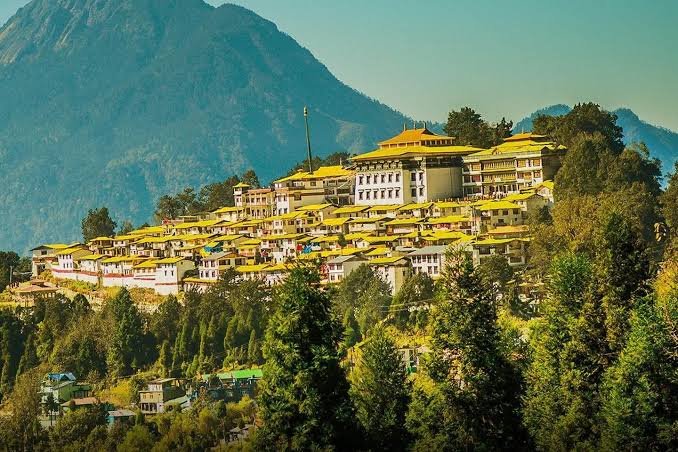
Tawang border tourism expansion is entering a more structured phase as the district administration strengthens the system for visitors travelling toward sensitive high-altitude destinations. A new district order published on September 10, 2026, directs that Bumla Pass permits be issued exclusively through authorised channels.
The move comes as Tawang continues to promote its high-altitude landscapes and border tourism while maintaining the additional security requirements applicable to sensitive areas. Moreover, the administration’s current tourism information confirms that domestic visitors need an Inner Line Permit, while destinations such as Bumla Pass and Madhuri Lake require additional clearance.
The revised approach therefore combines tourism access with verification and regulated movement rather than removing the special-permit system.
Gopal Roy Demands Puja Grants for Tripura Clubs
Tawang Border Tourism Expansion Strengthens Permit Management
Tawang has long attracted domestic travellers because of its mountain landscapes, monasteries, lakes and proximity to the international border. However, some destinations outside the main town operate under additional access restrictions because of their location and terrain.
The district administration currently identifies Bumla Pass as a destination requiring official entry permission. The pass stands at an elevation of about 15,200 feet near the India-China border, making regulated visitor movement an important part of tourism management.
Furthermore, the administration’s September 10 order specifically addresses the issuance of Bumla Pass permits through authorised channels. This provides a more clearly defined framework for visitors seeking access to the sensitive border destination.
The change does not mean that tourists can freely enter restricted frontier areas. Instead, the system continues to require official approval before visitors proceed toward locations where additional security and administrative controls apply.
Consequently, the latest development represents a streamlining of the permit process while retaining the safeguards associated with border tourism.
Domestic Travellers Continue to Require Multiple Permissions
Tawang’s permit system operates at more than one level. Indian citizens travelling to Arunachal Pradesh generally require an Inner Line Permit, while specific frontier destinations can require an additional local permit or clearance.
The official Arunachal Pradesh eILP system states that an eILP is mandatory for Indian nationals visiting the state. The system also provides online application facilities and requires applicant information and supporting documents to undergo verification.
For Tawang specifically, the district administration says domestic visitors need an ILP, while Bumla Pass and Madhuri Lake require additional clearance from the Deputy Commissioner’s office and the Indian Army.
This distinction remains important for travellers because an ordinary state entry permit does not automatically provide access to every destination in Tawang.
Therefore, the Tawang border tourism expansion should not be interpreted as a complete relaxation of restrictions. Instead, it reflects an effort to make the existing process more organised for verified travellers.
The current online Bumla permit system also separates the state-level ILP requirement from the Bumla-specific permit. Non-APST visitors must provide their ILP or eILP information when applying for the additional Bumla permission.
Bumla Access Remains Closely Regulated
Bumla Pass remains one of the most prominent attractions associated with Tawang’s border tourism. Its high altitude and strategic location make it fundamentally different from ordinary tourist destinations.
The current Bumla permit system requires applicants to provide travel information and identify their visitor category and vehicle details. It also states that local Tawang-registered taxis are permitted for the route under the applicable arrangements.
Additionally, the online system provides defined entry and exit timings for approved visitors. Such measures help authorities manage the movement of tourist vehicles and reduce congestion in a difficult high-altitude environment.
The permit platform also provides a verification process before approval. This is significant because the objective is not simply to increase the number of visitors but to ensure that travellers entering the sensitive area have completed the required formalities.
Moreover, the district administration has maintained a dedicated Bumla Pass permit section on its official portal. The latest district order reinforces the importance of obtaining the permit through authorised channels rather than relying on informal arrangements.
As a result, tourists can expect the border-tourism experience to remain controlled even as administrative procedures become more structured.
Tawang Tourism Balances Access, Safety and Sustainability
The expansion of regulated border tourism has wider implications for Tawang’s local economy. Greater access for verified domestic visitors can support tourism-related businesses, including transport operators, accommodation providers, restaurants, guides and other local services.
At the same time, increased tourist activity creates pressure on fragile mountain environments. Tawang’s administration has therefore continued to combine tourism promotion with environmental and safety measures.
The district’s tourism information highlights destinations such as Madhuri Lake, Bumla Pass and Nuranang Falls while also providing permit and travel requirements.
The Bumla permit system also states that the visitor fee collected from eligible non-APST visitors supports solid-waste management and sustainable tourism in Tawang.
Therefore, the emerging tourism model focuses on managed access rather than unrestricted expansion. Visitors can experience sensitive border landscapes, but authorities retain mechanisms to regulate numbers, movement and access.
Furthermore, Arunachal Pradesh’s wider tourism policy has identified online processing as a way to simplify ILP and PAP applications. The state’s tourism-related policy documents have also proposed adding cultural etiquette, environmental guidance and safety information to permit systems.
This broader policy direction complements the latest Tawang order by placing digital and authorised permit management at the centre of visitor administration.
Conclusion
Tawang border tourism expansion is progressing through a controlled approach that seeks to improve visitor access without weakening the special regulations surrounding sensitive frontier destinations. The September 10, 2026 district order requiring Bumla Pass permits to be issued through authorised channels provides a clearer administrative framework for domestic travellers.
The development does not eliminate the need for permits. Domestic visitors still require an Arunachal Pradesh ILP, while Bumla Pass and Madhuri Lake require additional clearance.
Consequently, the focus remains on verified and regulated tourism. If implemented consistently, the streamlined system can make the process more predictable for visitors while helping authorities maintain security, environmental protection and orderly movement in one of Arunachal Pradesh’s most sensitive tourism regions.
FAQs
What is the latest Tawang border tourism expansion development?
The Tawang district administration has ordered that Bumla Pass permits be issued exclusively through authorised channels, strengthening the verification and management of visitor access.
Do domestic tourists need an ILP for Tawang?
Yes. Indian nationals generally require an Inner Line Permit to enter Arunachal Pradesh, and additional permissions may apply to sensitive destinations.
Does an ILP automatically allow access to Bumla Pass?
No. Bumla Pass requires an additional permit or clearance beyond the general Arunachal Pradesh ILP.
Why is Bumla Pass access regulated?
Bumla Pass is a high-altitude destination near the international border. Therefore, authorities regulate visitor movement through additional permits and verification procedures.
Will Tawang border tourism expansion remove existing restrictions?
No. The current approach streamlines authorised access while retaining the additional permissions and controls required for sensitive border destinations.