
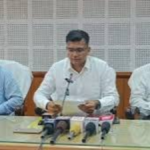




The Tripura State Mental Health Authority has intensified its Tripura rehab centre scrutiny, issuing show-cause notices to 18 private rehabilitation centres and mental health institutions over allegations of operating without valid registration or authorisation. The notices require the institutions to respond within seven days and explain why legal or administrative action should not be taken under the Mental Healthcare Act, 2017.
The action places renewed attention on registration, patient safety and minimum standards in rehabilitation facilities across the state. Moreover, the Authority has warned that institutions that fail to provide satisfactory explanations or cooperate with the inquiry could face further action under the law.
Oiii Police Theatrical Release: Ravi Sarma Film
Tripura Rehab Centre Scrutiny Targets 18 Institutions
The State Mental Health Authority issued the notices on September 9. The notices direct 18 organisations to explain their status and compliance with the Mental Healthcare Act, 2017. According to reports, these establishments provide treatment or rehabilitation services for people with mental health conditions and substance-use disorders.
The institutions named in the notices include Jibon Jagrati Foundation in Santirbazar, Holy Foundation in Jirania, Rupayan Foundation at Dashamighat and James Foundation at Jampuijala. The list also includes Relief Foundation on Bypass Road, Hill Foundation at Bachaibari and Saksham Rehabilitation Centre at Khumulung.
Deep Foundation in Kanchanpur, Bethesda Rehab Facility in Nandannagar and Welfare Society Muchang in Kamalpur also received notices. Other names include Serene and Sober Foundation in Shalgara, Relief Foundation at the Sepahijala SPO Office, Radhya Foundation in Barjala and Rejuvenation Foundation in Teliamura.
Additionally, the Authority named Yapiri Katal Foundation at Gabardi, Revival Foundation in Tulashikhar, TSB Counselling Centre in Takarjala and Edensend Foundation in Bishramganj. These establishments operate across different districts. Therefore, the regulatory action covers several parts of Tripura rather than one locality.
However, the notices do not represent final findings against the institutions. They form part of an ongoing regulatory process. Each establishment can respond before the Authority decides whether further action is necessary.
Registration Rules Under Mental Healthcare Law
The Tripura rehab centre scrutiny follows the registration requirements under the Mental Healthcare Act, 2017. Section 65(1) states that a person or organisation cannot establish or operate a mental health establishment without registration with the appropriate authority.
The law also connects registration with minimum standards for facilities and services. These standards cover staff qualifications, record maintenance and reporting requirements. Therefore, registration forms part of the wider system for regulating mental health establishments.
Furthermore, the State Mental Health Authority can inspect establishments and conduct inquiries. It can act when complaints arise or when officials identify possible violations of minimum standards. The applicable rules also allow officials to examine registration documents and related records.
Consequently, the regulations provide a framework for checking whether facilities follow legal requirements. Authorities can also take action when establishments fail to meet those requirements.
Safety Standards Come Under Focus
The latest action has also drawn attention to standards for rehabilitation and mental health establishments. Reports on the notices indicate that these requirements cover several areas linked to patient safety and wellbeing.
The standards include patient safety measures, food quality and room dimensions. They also cover accessibility for persons with disabilities and biomedical safety. Additionally, establishments must follow other requirements under the regulatory framework.
These standards matter because rehabilitation facilities serve people who may need structured care and support. Therefore, authorities need to ensure that such institutions maintain suitable conditions and follow required safeguards.
According to reports, the Authority found that some establishments allegedly operated without registration. It also identified alleged gaps in safety and quality standards. Nevertheless, the notices seek explanations from the concerned institutions. The allegations therefore remain subject to the regulatory process.
Several centres have reportedly started registration procedures after receiving the notices. This development suggests that the action may encourage institutions to regularise their status and comply with the applicable framework.
Registration Status Varies Across Districts
The latest action has also highlighted differences in registration applications among rehabilitation centres across Tripura. The State Mental Health Authority has provided district-level information on the registration process. Several establishments have already applied, while others have not completed the process.
West Tripura reportedly has 20 rehabilitation centres. Of these, 12 have submitted applications. North Tripura has three centres, including two that have applied. Dhalai has four centres, with applications from two.
Khowai has seven centres, four of which have applied. In Unakoti, all three reported centres have submitted applications. Gomati has two centres, with one application submitted.
The lone reported centre in South Tripura has also applied. Sepahijala has three centres, including two that have submitted applications.
These figures show that registration activity is underway across several districts. Moreover, the Authority’s intervention could encourage more establishments to complete the process.
The seven-day response period gives the 18 institutions a defined window to explain their positions. They can also provide evidence of compliance or steps toward registration. Authorities will then assess the responses before deciding whether further administrative or legal measures are necessary.
Regulatory Action Could Strengthen Accountability
The Tripura rehab centre scrutiny comes amid wider concerns about the regulation of mental health establishments. The Mental Healthcare Act treats registration and minimum standards as important safeguards for people receiving mental healthcare.
Therefore, enforcement involves more than checking paperwork. Authorities must also examine facility standards, staff qualifications and record maintenance. They must also consider whether institutions provide services within the legal framework.
At the same time, authorities must distinguish between different registration situations. Some establishments may have operated without registration, while others may have already started the application process. The show-cause procedure allows the Authority to examine each case separately.
Furthermore, institutions that received notices can submit their explanations. Consequently, the final outcome may differ between establishments. The Authority can consider each institution’s evidence, registration status and response.
The development nevertheless highlights the need for rehabilitation and mental health facilities to follow the regulatory framework. If establishments fail to meet statutory requirements, the Authority can use the legal mechanisms available under the law.
Conclusion
The latest Tripura rehab centre scrutiny has brought 18 private rehabilitation centres and mental health institutions under regulatory examination. The notices concern alleged registration and compliance issues. The institutions have seven days to respond to the show-cause notices.
The action highlights the importance of registration, patient safety and accessibility under the Mental Healthcare Act, 2017. It also draws attention to facility standards and other regulatory requirements.
Moreover, district-level figures show that several centres have already started the registration process. The next stage will depend on the responses submitted by the institutions. The Authority will then assess their compliance before deciding on any further action.
FAQs
What triggered the Tripura rehab centre scrutiny?
The State Mental Health Authority issued show-cause notices after identifying alleged registration and compliance concerns involving 18 private rehabilitation centres and mental health institutions.
How long do the centres have to respond?
The institutions have been directed to submit their responses within seven days of receiving the notices.
Why is registration important for rehabilitation centres?
Under Section 65 of the Mental Healthcare Act, 2017, mental health establishments must obtain registration from the competent authority. Registration is connected with compliance with prescribed standards for facilities, services, personnel and records.
What standards are being examined?
Reported areas include patient safety, food quality, room dimensions, accessibility for persons with disabilities, biomedical safety and other prescribed requirements.
Does a show-cause notice mean the centres have been found guilty?
No. A show-cause notice gives an institution an opportunity to explain its position before the Authority decides whether further action is necessary. The allegations therefore should not be treated as final findings.