







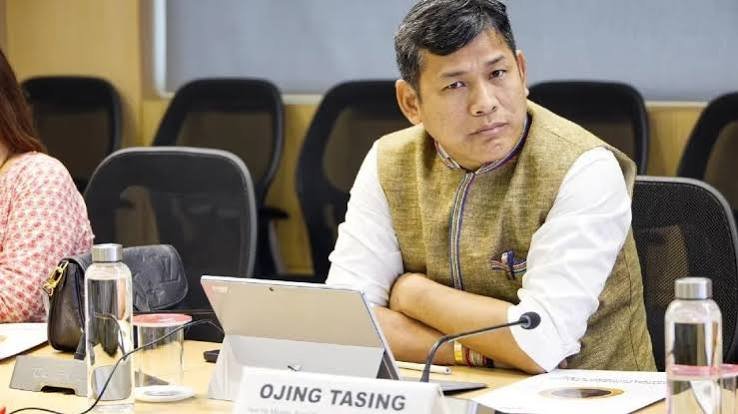
The Siang dam project was the focus of discussions between Arunachal Pradesh minister Ojing Tasing and representatives of the East Siang Downstream Dam Affected People’s Forum on October 27. The meeting addressed concerns surrounding the proposed 11,200-megawatt Siang Upper Multipurpose Project (SUMP).
The forum represents communities across 72 villages that could face the project’s effects. Meanwhile, the state government continues to engage with local groups as the project undergoes its pre-feasibility assessment amid concerns about displacement, environmental risks and community rights.
Siang dam project talks address local concerns
Tasing, who holds the rural development and panchayati raj portfolios, met a delegation led by forum president Oni Tamuk and general secretary Jobomchang Mengu. The discussions provided an opportunity to examine the project’s Pre-Feasibility Report (PFR) and address questions about its potential impact on downstream communities in East Siang district.
According to reports, the minister emphasised the importance of transparency, dialogue and mutual understanding. He maintained that national development priorities must go hand in hand with the rights and interests of local residents.
Moreover, Tasing stressed that public trust would be essential for a project of this scale. He said community concerns should remain central to consultations and decision-making.
The meeting comes as the government seeks to explain the project’s objectives while responding to apprehensions among residents. However, concerns remain over how the proposed development could affect communities living along the Siang River.
What the Siang dam project proposes
The Siang Upper Multipurpose Project is a proposed hydropower and water-storage initiative with a planned capacity of around 11,200 MW. Authorities are examining its technical feasibility and potential contribution to India’s energy and water security.
The project could also support flood moderation and regional development, according to its stated objectives. Additionally, its strategic importance has grown amid concerns about China’s proposed hydropower development on the Yarlung Tsangpo River in Tibet, which flows into India as the Siang.
However, the project’s scale has raised questions about its possible social and environmental consequences. Residents have expressed concerns about the loss of ancestral land, displacement, disruption to livelihoods and potential damage to the river ecosystem.
Furthermore, the region’s seismic sensitivity has added to questions about the safety of a large dam. These concerns have contributed to opposition from sections of the indigenous Adi community.
Siang dam project remains under assessment
The project remains at the pre-feasibility stage, which is intended to determine its technical viability and examine relevant parameters before any final construction decision.
Arunachal Pradesh Chief Minister Pema Khandu said in September that the government would not rush beyond the feasibility assessment. The process does not, by itself, amount to final approval for construction.
Meanwhile, the state Cabinet approved an empowered high-level committee in September to oversee PFR survey-related activities in Siang and Upper Siang districts. Tasing was appointed chairman of the committee.
The committee is expected to facilitate engagement with residents and help ensure that survey activities proceed transparently and peacefully. Nevertheless, sections of the local population have called for greater consultation and raised objections to ongoing survey work.
Why the Siang dam project faces opposition
Opposition to the Siang dam project centres on questions about its long-term impact on people, land and the environment. For communities living in the affected region, the prospect of displacement raises concerns about homes, livelihoods, cultural ties and ancestral territories.
At the same time, the government has highlighted the project’s potential contribution to energy security, water management and national strategic interests. Balancing these objectives with the needs of affected communities remains a central challenge.
Recent protests over the project have also heightened tensions in the region. Consequently, transparent communication and meaningful engagement have become increasingly important as the assessment continues.
The latest meeting with the downstream forum represents another effort to discuss concerns through dialogue. However, the interaction does not mean that all objections have been resolved or that the project has received final construction approval.
Siang dam project discussions shape the next steps
The coming stages of the Siang dam project will depend on the findings of the feasibility assessment and the government’s handling of community concerns. Authorities face the task of explaining the technical process while ensuring that residents can raise questions about potential risks and consequences.
For affected villages, clear information about the project’s scope, possible impacts and future decision-making will remain important. Likewise, continued consultation could help clarify disputed issues and build a more informed public discussion.
Overall, the October 27 meeting highlights the importance of engagement as the proposed project moves through assessment. Whether dialogue can ease opposition will depend on how effectively authorities address local concerns, protect community interests and communicate the findings before any final decision on construction.