





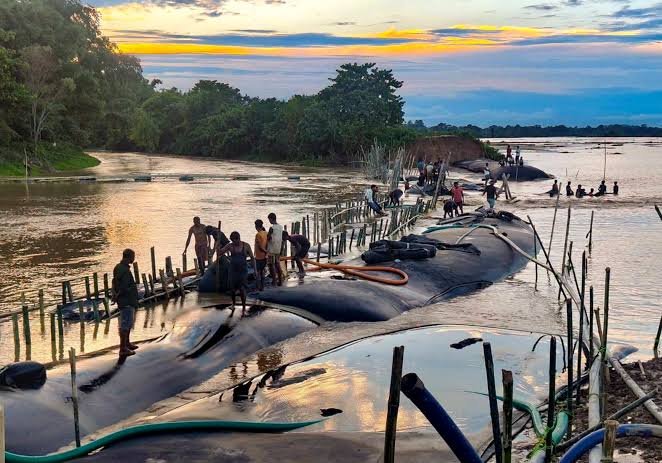
Assam floods have claimed 104 lives this year after one more fatality was reported in Sivasagar district, according to the latest state disaster bulletin. More than 78,000 people remain affected across seven districts as authorities continue relief and response operations.
The latest figures show a decline in the number of affected people from earlier stages of the monsoon crisis. However, the situation remains serious in several areas, with thousands still depending on relief facilities and support.
Assam floods affect seven districts
The Assam State Disaster Management Authority said the number of flood-affected districts remained at seven. They are Nagaon, Golaghat, Sivasagar, Kamrup, Hojai, Jorhat and Lakhimpur.
Flooding was reported in 313 villages across 20 revenue circles, indicating that the impact remains spread across several parts of the state. Sivasagar has been among the worst-hit districts during the current flood season and also recorded the latest death.
Meanwhile, more than 5,000 people have taken shelter in relief camps, according to reports based on the latest official figures. The continued presence of displaced residents highlights the challenges of returning to normal life even as the overall number of affected people falls.
Assam floods leave thousands needing relief
The latest death has pushed the flood toll to 104. The fatality was reported from Sivasagar during the 24-hour period covered by the latest update.
The rise in fatalities comes despite a broader improvement in the number of people affected. On August 10, the affected population was reported at nearly 1.4 lakh across seven districts, while the death toll had reached 100.
By August 12, the affected population had fallen to about 87,000, although the death toll increased to 103. The latest figures therefore point to a gradual reduction in the scale of inundation, but they also show that the crisis continues to cause fatalities.
Relief efforts continue
Authorities are continuing to monitor flood conditions and provide assistance to affected communities. Assam has established disaster-management systems for relief camps, rescue operations and emergency response during river disasters.
Relief operations in the state typically involve food, drinking water, medical support and other essential supplies. Official disaster-management documents also provide for rescue efforts involving state agencies, national response teams, police, fire services and trained volunteers.
Assam floods test recovery efforts
The reduction in the affected population is an important sign of improvement, but recovery will take longer. Flooding can damage homes, roads, agricultural land and other infrastructure even after water levels begin to recede.
The state government has estimated that more than Rs 1,000 crore could be required for repairs and rehabilitation following the recent flood damage. The proposed requirement reflects the wider economic and infrastructure impact of the disaster.
Sivasagar, in particular, has faced repeated pressure during this flood season. The district’s disaster-management framework includes systems for daily reporting of affected villages, population, relief camps, damaged houses, livestock and rescue operations.
Assam floods keep authorities on alert
Although the latest figures show that the number of affected people has fallen, the situation remains closely watched. River conditions, rainfall and local waterlogging can continue to influence the flood situation in vulnerable areas.
Moreover, the death toll of 104 underlines the human cost of the prolonged crisis. For families still living in relief camps or dealing with damaged homes and livelihoods, recovery will depend on timely assistance and safe conditions for returning.
Overall, the latest Assam floods figures suggest that the immediate spread of inundation is easing in some areas. However, the continuing deaths and thousands of displaced residents show that relief and rehabilitation remain important priorities for the state.