





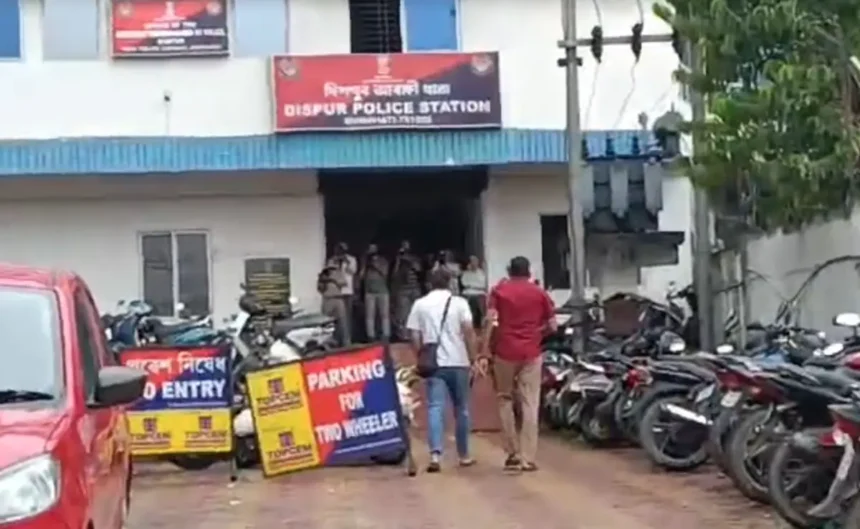
Assam illegal biometric collection operations came under scrutiny after law enforcement agencies arrested two individuals from Mizoram for allegedly conducting unauthorized biometric data gathering activities inside Assam. Meanwhile, officials stated that the arrests triggered administrative reviews concerning cross-border monitoring, data security, and verification procedures across sensitive areas near the interstate boundary. The incident reportedly occurred during a coordinated police operation following intelligence inputs received by local authorities. Additionally, investigators began examining whether the accused acted independently or as part of a wider network.
Senior police officials confirmed that authorities detained the two suspects after discovering alleged irregular biometric registration activities in areas falling under Assam’s jurisdiction. Furthermore, security agencies reportedly seized electronic equipment and digital records during the operation. The arrests quickly attracted political and administrative attention because biometric data collection remains highly regulated under Indian law.
Nagaland Municipal Elections Schedule Officially Released
Nagaland Electoral Roll Revision Schedule Released
Police Launch Investigation Into Data Collection Activities
Law enforcement agencies in Assam stated that local police units detected suspicious activity during routine surveillance and verification exercises. Assam illegal biometric collection concerns therefore escalated rapidly after officers allegedly found individuals collecting sensitive identity information without valid authorization documents.
Meanwhile, officials claimed that preliminary investigations revealed the suspects were operating in border-adjacent regions without obtaining approval from relevant state authorities. Additionally, police teams reportedly recovered devices used for fingerprint scanning, identity verification, and digital data storage during the raids.
Authorities from the Assam Police Special Branch and district-level officers participated in the investigation process. Furthermore, senior officers indicated that forensic analysis of seized equipment may help determine the scale and purpose of the data collection activities.
Earlier, intelligence units reportedly received alerts regarding unauthorized movement and suspicious administrative operations in certain localities near the Assam-Mizoram border. Consequently, security personnel intensified monitoring measures before conducting the arrests. At the same time, officials avoided disclosing complete operational details due to the ongoing investigation.
Police representatives emphasized that biometric information involves highly sensitive personal data protected under legal and administrative regulations. Therefore, authorities warned that unauthorized collection activities could create serious privacy and security concerns if left unchecked.
Regional Administrative Concerns Intensify
The incident sparked broader discussions regarding cross-border administrative coordination between Assam and Mizoram. Meanwhile, officials from both states reportedly initiated communication channels to assess the circumstances surrounding the arrests and prevent future misunderstandings.
Assam illegal biometric collection allegations also prompted internal reviews within district administrations handling border management and verification processes. Additionally, authorities began examining whether similar activities may have occurred previously in remote or less-monitored areas.
Political observers noted that Assam and Mizoram have experienced periodic tensions linked to boundary disputes and administrative jurisdiction issues in recent years. Consequently, the latest development attracted considerable attention from regional policymakers and security analysts.
Several administrative officials stressed the importance of maintaining lawful procedures for identity verification and citizen documentation activities. Furthermore, legal experts explained that biometric data collection generally requires authorization under government-approved systems and regulatory frameworks.
At the same time, community leaders in border regions urged authorities to handle the matter carefully to avoid unnecessary public tension between residents of both states. They also appealed for transparent communication regarding the investigation’s progress.
Security Agencies Strengthen Monitoring Measures
Following the arrests, Assam Police reportedly increased surveillance operations across sensitive interstate border zones. Meanwhile, officials indicated that verification drives and identity-related inspections may continue in areas considered vulnerable to unauthorized activities.
Assam illegal biometric collection investigations therefore expanded beyond the initial arrests as agencies reviewed digital records and communication trails linked to the suspects. Additionally, security personnel coordinated with cybercrime experts to examine whether any personal information had already been transmitted or stored elsewhere.
Senior officers stated that protecting citizens’ personal data remains a critical administrative responsibility. Furthermore, authorities warned organizations and individuals against engaging in unofficial identity verification operations without legal approval from competent authorities.
Several cybersecurity analysts reacted to the incident by highlighting growing concerns surrounding misuse of biometric information. Consequently, experts recommended stronger safeguards, public awareness campaigns, and stricter monitoring mechanisms for digital identity systems operating in sensitive regions.
Meanwhile, district administrations reportedly reviewed procedures connected to field surveys, documentation drives, and population-related data collection activities. Officials also discussed the possibility of issuing updated guidelines to local agencies and community workers.
Political Reactions and Public Response
Political reactions emerged soon after reports regarding the arrests became public. Meanwhile, opposition parties in Assam demanded a detailed explanation from the government regarding how unauthorized biometric operations allegedly continued before authorities intervened.
Ruling party representatives defended the law enforcement response and praised security agencies for acting quickly. Additionally, BJP leaders argued that the arrests demonstrated the administration’s commitment to protecting citizens’ privacy and maintaining legal order near interstate borders.
Several civil society organizations also expressed concern regarding data privacy and unauthorized identity collection practices. Furthermore, rights activists called for greater transparency regarding the handling of seized biometric information and future safeguards for residents.
Social media discussions intensified after local news reports highlighted the interstate dimension of the controversy. On the other hand, several commentators urged the public to avoid spreading unverified claims that could damage relations between Assam and Mizoram communities.
Political analysts observed that border-related administrative issues often gain wider attention because they intersect with security, governance, and regional identity concerns. Consequently, observers expect authorities from both states to remain cautious while addressing the situation.
Legal and Administrative Implications
Assam illegal biometric collection allegations may lead to stricter regulatory monitoring of identity-related operations in border districts. Meanwhile, legal experts emphasized that biometric data falls under sensitive personal information categories requiring lawful handling procedures.
Officials indicated that the accused individuals may face charges under relevant sections connected to unauthorized data collection, identity misuse, and violation of administrative regulations. Additionally, investigators continue examining whether any organizations or external entities supported the alleged operation.
Experts believe the incident could encourage state governments to strengthen coordination mechanisms involving police, cybercrime units, and administrative departments. Consequently, future monitoring systems may include tighter reporting requirements for field-based digital data collection projects.
However, legal analysts cautioned against premature conclusions until investigations fully establish the purpose and extent of the activities. At the same time, authorities reiterated that all identity-related operations must follow constitutional safeguards and legal procedures.
Conclusion
Assam illegal biometric collection investigations intensified after police arrested two individuals from Mizoram for allegedly conducting unauthorized biometric activities inside Assam’s borders. Meanwhile, the incident triggered administrative reviews, heightened security monitoring, and political reactions across the region. Authorities continue examining the scope of the operation while emphasizing the importance of protecting sensitive personal information. Ultimately, the case may influence future interstate coordination and regulatory oversight involving biometric data collection practices in Northeast India.
FAQs
Why were the two individuals arrested in Assam?
Police arrested them for allegedly conducting unauthorized biometric data collection activities without legal approval.
Where were the suspects reportedly from?
Officials stated that the arrested individuals were residents of Mizoram.
Why is biometric data collection sensitive?
Biometric information includes personal identity details such as fingerprints and digital records protected under legal regulations.
What actions did Assam authorities take after the arrests?
Authorities launched investigations, seized electronic devices, and increased monitoring across border areas.
Why is Assam illegal biometric collection issue important?
The case raises concerns regarding privacy, data security, and unauthorized administrative activities in sensitive border regions.
Are Assam and Mizoram coordinating on the issue?
Officials from both states reportedly initiated communication regarding the investigation and related administrative concerns.