





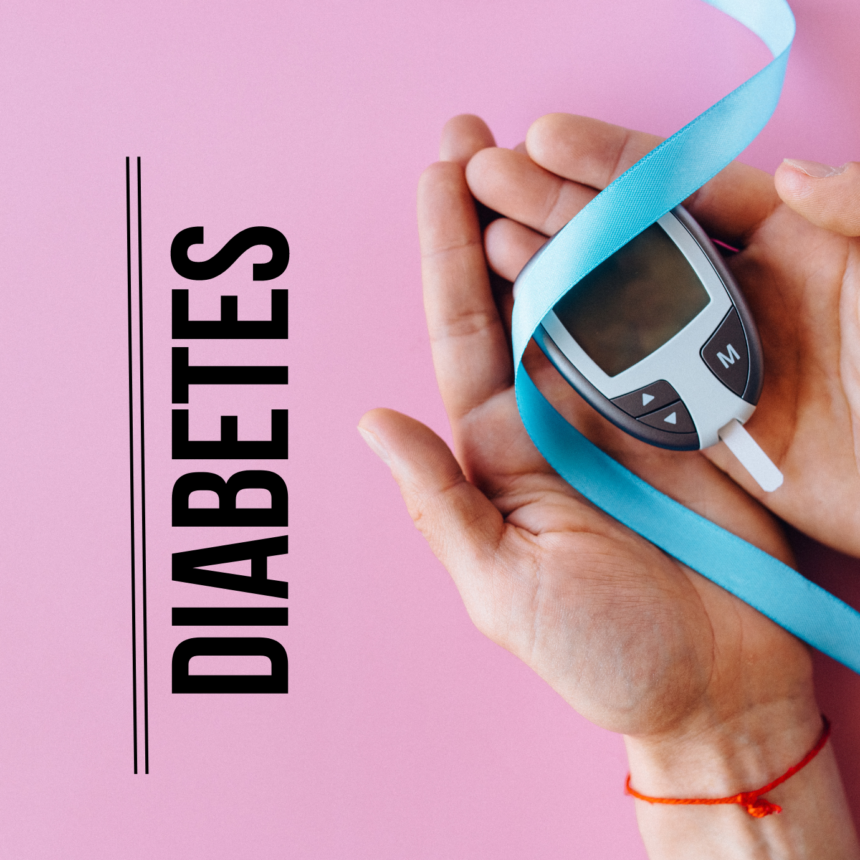
Diabetes management has come a long way from traditional methods of monitoring blood sugar levels and administering insulin. Thanks to technological advancements, individuals with diabetes now have access to cutting-edge tools and devices that make managing their condition more convenient and precise. In this article, we’ll explore the diabetes technology revolution, focusing on innovations in monitoring and insulin delivery.
Continuous Glucose Monitoring (CGM):
Continuous glucose monitoring systems have transformed diabetes management. These devices provide real-time information about blood sugar levels, allowing individuals to make timely adjustments to their treatment plans. Key features of CGMs include:
- Wireless Connectivity: Many CGMs can transmit data to smartphones or insulin pumps, providing seamless tracking and analysis.
- Customized Alerts: CGMs can issue alerts for high or low blood sugar levels, helping users take action promptly.
- Data Trends: They generate reports and trends, offering insights into how diet, exercise, and medication affect blood sugar levels.
Insulin Pumps:
Insulin pumps have evolved to become smarter and more user-friendly. These devices provide precise insulin delivery and offer various benefits, including:
- Bolus Calculator: Integrated bolus calculators help users determine the right insulin dose based on factors like blood sugar levels and carbohydrate intake.
- Basal Rate Adjustment: Insulin pumps allow for personalized basal rate adjustments throughout the day, mimicking the body’s natural insulin release.
- Integration with CGMs: Many modern insulin pumps can integrate with CGMs, enabling automated insulin adjustments based on real-time glucose data.
Artificial Pancreas Systems:
Artificial pancreas systems, also known as closed-loop systems, combine CGMs and insulin pumps to create a near-automated approach to diabetes management. These systems continuously monitor glucose levels and adjust insulin delivery as needed, reducing the risk of hypoglycemia and hyperglycemia.
Mobile Apps and Data Sharing:
Smartphone apps have become valuable tools for diabetes management. They allow users to log food intake, track physical activity, and monitor glucose levels. Some apps also enable data sharing with healthcare providers or caregivers, facilitating remote monitoring and timely intervention.
Emerging Innovations:
The field of diabetes technology continues to evolve rapidly. Researchers are exploring advanced technologies like:
- Implantable CGMs: These devices promise longer wear times and greater accuracy.
- Smart Insulin: Researchers are developing smart insulin that responds to blood sugar levels, reducing the need for constant monitoring and manual adjustments.
- Non-Invasive Monitoring: Efforts are underway to create non-invasive glucose monitoring methods, eliminating the need for fingerstick tests.
The diabetes technology revolution has improved the lives of millions of individuals living with diabetes. These innovations offer more precise control over blood sugar levels, reduce the burden of daily diabetes management, and enhance overall quality of life. As technology continues to advance, the future holds even more promising developments in diabetes care.