




Gestational diabetes is a type of diabetes that develops during pregnancy. While it usually resolves after giving birth, it requires careful management to ensure the health of both the mother and the baby. In this article, we’ll explore the risks, management strategies, and post-pregnancy outlook for gestational diabetes.
Understanding Gestational Diabetes:
Gestational diabetes occurs when the body cannot produce enough insulin to meet the increased needs during pregnancy. This results in elevated blood sugar levels, which can lead to various complications if left unmanaged.
Risks and Complications:
- Maternal Risks: Uncontrolled gestational diabetes can lead to high blood pressure, preeclampsia, and an increased risk of type 2 diabetes later in life.
- Fetal Risks: High blood sugar levels can affect the developing baby. This can lead to macrosomia (a large baby), which may necessitate a C-section delivery. Babies born to mothers with uncontrolled gestational diabetes may also experience low blood sugar (hypoglycemia) after birth and have a higher risk of developing obesity and type 2 diabetes later in life.
Managing Gestational Diabetes:
- Dietary Changes: A registered dietitian can help create a meal plan that regulates blood sugar levels. This often involves controlling carbohydrate intake and choosing foods that have a low glycemic index.
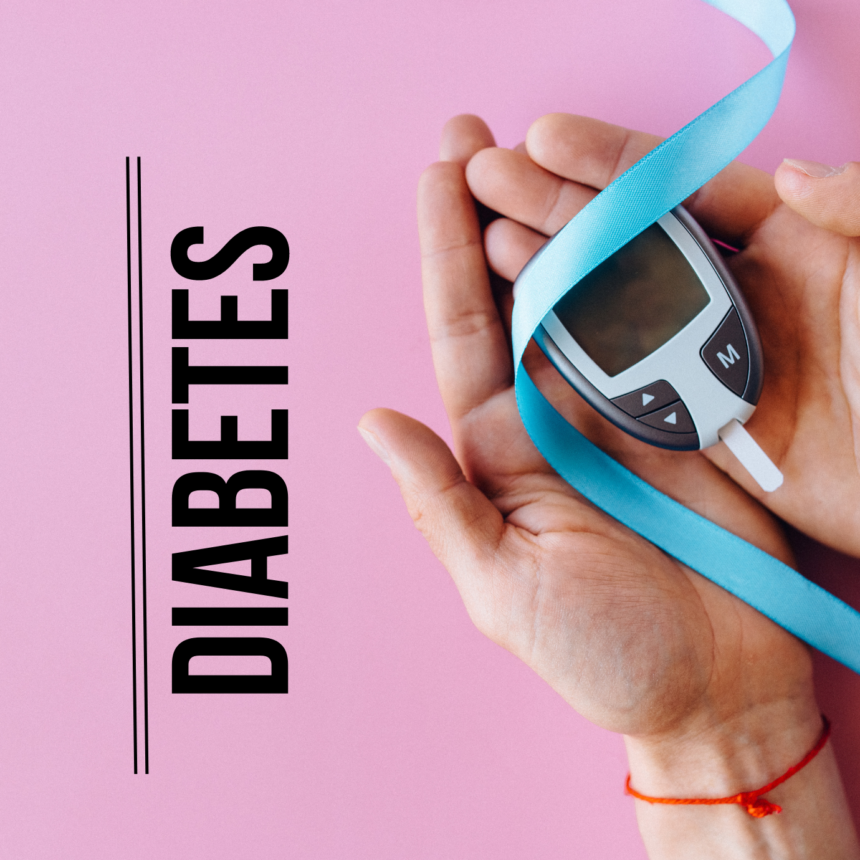
- Regular Monitoring: Pregnant individuals with gestational diabetes must monitor their blood sugar levels regularly, typically through fingerstick tests. This helps track how well the management plan is working.
- Physical Activity: Regular, moderate exercise can help control blood sugar levels. It’s essential to consult with a healthcare provider to determine a safe exercise routine during pregnancy.
- Insulin or Medication: If blood sugar levels remain high despite dietary changes and exercise, insulin injections or oral medication may be prescribed.
- Frequent Check-ups: Healthcare providers will closely monitor both the mother’s and the baby’s health throughout the pregnancy.
Post-Pregnancy Outlook:
After giving birth, gestational diabetes typically resolves. However, both the mother and the baby need continued monitoring:
- Postpartum Screening: Mothers should undergo a glucose tolerance test 6-12 weeks after delivery to ensure blood sugar levels have returned to normal.
- Baby’s Health: Babies born to mothers with gestational diabetes may still be at risk for obesity and type 2 diabetes later in life. A healthcare provider will monitor the baby’s growth and development.
- Prevention: Mothers who had gestational diabetes should focus on lifestyle changes, including a healthy diet and regular exercise, to reduce the risk of developing type 2 diabetes in the future.
In conclusion, gestational diabetes requires careful management during pregnancy to prevent complications for both the mother and the baby. With proper medical supervision, dietary adjustments, and, if necessary, medication, most individuals with gestational diabetes can have a healthy pregnancy and delivery. After childbirth, it’s important to continue monitoring and take steps to reduce the risk of type 2 diabetes in the future.