






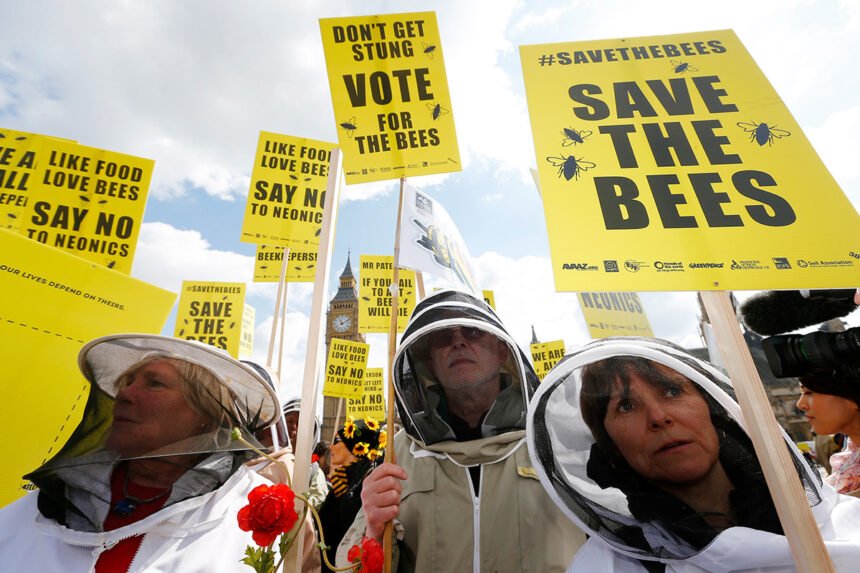
In a notable shift in policy, the European Union (EU) has rescinded its plan to cut pesticide use by half after facing extensive protests from a range of stakeholders. The decision reflects a complex interplay of environmental concerns, agricultural interests, and public opinion, underscoring the challenges faced by policymakers in balancing competing priorities.
The EU’s original plan aimed to reduce pesticide use by 50% over the next decade as part of its broader efforts to promote sustainable agriculture and protect biodiversity. The proposal garnered support from environmental advocates, who argued that reducing pesticide usage would mitigate the adverse effects on ecosystems, human health, and pollinators such as bees.
However, the proposal encountered strong opposition from agricultural organizations, farmers’ groups, and some member states, who raised concerns about the potential impact on food production, crop yields, and farm incomes. They argued that a drastic reduction in pesticide use could jeopardize agricultural productivity, increase pest and disease pressure, and undermine food security.
The debate over pesticide regulation also touched upon broader issues related to agricultural policy, trade dynamics, and consumer preferences. While some advocated for stricter regulations to minimize pesticide residues in food and protect public health, others emphasized the importance of ensuring the competitiveness and viability of the agricultural sector.
The EU’s decision to backtrack on its pesticide reduction target reflects the complexities of policymaking in a diverse and interconnected world. While there is consensus on the need to address environmental challenges and transition to more sustainable farming practices, finding common ground on specific policy measures remains elusive.
The abandonment of the pesticide reduction plan highlights the influence of various stakeholders, including industry lobbyists, agricultural associations, and consumer groups, in shaping policy outcomes. It also underscores the importance of public opinion and political considerations in determining the direction of policy decisions.
Critics of the EU’s decision argue that it represents a missed opportunity to address pressing environmental concerns and align agricultural practices with broader sustainability goals. They contend that reducing pesticide use is essential for safeguarding biodiversity, protecting ecosystems, and mitigating the impact of climate change on agriculture.
Proponents of the decision, on the other hand, argue that it reflects a pragmatic approach that takes into account the economic realities and practical constraints faced by farmers. They emphasize the need for evidence-based policymaking that balances environmental objectives with the need to maintain agricultural productivity and ensure food security.
Moving forward, the EU faces the challenge of reconciling divergent interests and finding alternative strategies to promote sustainable agriculture while minimizing the use of pesticides. This may involve investing in research and innovation to develop alternative pest management techniques, providing support and incentives for farmers to adopt agroecological practices, and strengthening monitoring and enforcement mechanisms to ensure compliance with existing regulations.
Ultimately, the EU’s choice to retract its pesticide reduction objective underscores the intricate compromises inherent in agricultural policy and underscores the necessity for a comprehensive and nuanced strategy to tackle environmental issues. As policymakers grapple with these issues, finding effective solutions will require collaboration, dialogue, and compromise among all stakeholders involved.
