





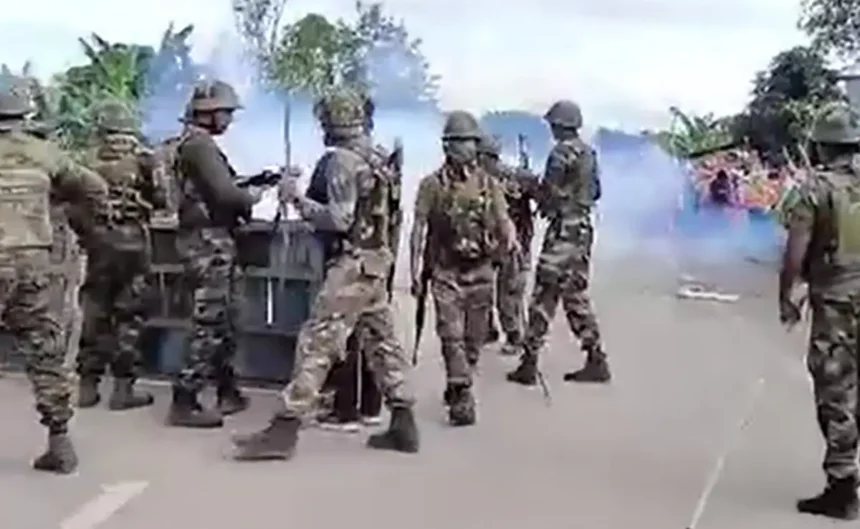
Several villages near the international border in Manipur were reportedly set on fire during an early morning raid allegedly carried out by suspected militants linked to neighboring Myanmar. The incident has triggered heightened security concerns and prompted authorities to intensify monitoring operations in vulnerable border regions.
Officials stated that security agencies and district administrations responded quickly after reports of the attack emerged from affected villages. Moreover, law enforcement personnel reportedly increased patrols and surveillance activities to prevent further violence and maintain stability in the region.
The latest development has once again highlighted the complex security challenges faced by border districts in northeastern India. Consequently, political observers believe authorities may strengthen border coordination and emergency preparedness measures in sensitive areas.
Nagaland Earthquake Tremors Felt Across Mokokchung Region
Meghalaya Football Capital Push Gains Momentum After State League Finale
Villages Targeted in Early Morning Raid
The Manipur Border Village Attack reportedly occurred during the early hours when armed individuals allegedly entered border settlements and set multiple structures on fire. Local residents described scenes of panic as villagers attempted to move to safer locations during the incident.
Authorities stated that security teams were immediately deployed after receiving information regarding the attack. Furthermore, district officials began assessing the extent of damage and coordinating with local communities affected by the violence.
Preliminary reports suggested that several homes and properties may have been damaged in the raid. As a result, emergency response and relief efforts were initiated to support affected residents and restore normal conditions.
Officials also emphasized that investigations remain ongoing to determine the exact circumstances and identify those responsible for the attack.
Security Forces Intensify Border Monitoring
Following the incident, security agencies reportedly strengthened patrols and surveillance across sensitive border zones in Manipur. Officials stated that maintaining stability and preventing further escalation remain top priorities for authorities.
Security experts noted that difficult terrain and remote locations often complicate operations in border districts. Therefore, coordination between local police, paramilitary forces, and administrative agencies remains essential during such situations.
Authorities also reviewed deployment patterns and emergency response preparedness in nearby areas. Additionally, communication systems and intelligence-sharing mechanisms were reportedly enhanced following the attack.
The Manipur Border Village Attack has consequently increased pressure on authorities to reinforce long-term security strategies in vulnerable regions.
Border Areas Face Ongoing Security Challenges
Districts located near the India-Myanmar border frequently face security and monitoring challenges because of geographical conditions and cross-border movement concerns. Political analysts stated that maintaining peace in such regions requires continuous vigilance and rapid administrative response.
Experts believe instability in neighboring regions can sometimes influence local security conditions in border communities. Consequently, authorities often rely on coordinated surveillance and intelligence operations to manage emerging threats.
Government representatives reiterated their commitment to protecting civilians and maintaining law and order in affected districts. Moreover, officials emphasized the importance of cooperation between residents and security agencies during emergency situations.
The latest incident has renewed attention toward regional border management and security infrastructure needs.
Residents Seek Safety and Protection
Villagers affected by the reported attack expressed concern regarding safety and long-term security in border settlements. Many residents reportedly sought temporary shelter and assistance after the incident damaged homes and disrupted normal activities.
Local administrations stated that relief and support measures were being coordinated for affected families. Furthermore, officials assured residents that additional security arrangements would remain in place to prevent further disturbances.
Community leaders urged authorities to strengthen protective measures in vulnerable villages and improve emergency communication systems. Therefore, discussions regarding infrastructure, road connectivity, and security facilities have intensified following the attack.
Observers noted that civilian confidence and safety remain central to maintaining peace in border areas.
Authorities Review Emergency Response Measures
Senior administrative and security officials reportedly conducted reviews of emergency response procedures after the incident. Authorities examined coordination mechanisms related to evacuation, communication, and deployment readiness in border regions.
Security analysts stated that rapid response capabilities remain critical in minimizing damage and ensuring civilian protection during such attacks. Additionally, improved infrastructure and surveillance technology may help strengthen future preparedness efforts.
Officials also encouraged residents to share verified information and avoid spreading rumors that could increase panic. Consequently, authorities continued public communication efforts to maintain calm conditions in affected communities.
The Manipur Border Village Attack has become one of the most serious recent security developments reported from the region.
Political and Public Reactions Increase
Political leaders and community organizations reacted strongly to reports of the border attack, calling for stronger protection measures and improved security coordination. Several groups urged authorities to ensure accountability and maintain peace in sensitive districts.
Public discussions also focused on the broader implications of border instability and regional security management in northeastern India. Moreover, observers highlighted the importance of balancing security operations with civilian welfare and humanitarian concerns.
Analysts believe incidents involving border villages often influence wider conversations regarding infrastructure development, intelligence coordination, and cross-border security policies. Therefore, the latest attack may shape future administrative and security planning in the state.
Residents meanwhile continue hoping for restoration of normalcy and strengthened protection measures in affected areas.
Conclusion
The reported torching of several border villages in Manipur during an alleged militant raid has intensified security concerns near the India-Myanmar frontier. Authorities have responded by increasing patrols, reviewing emergency measures, and coordinating relief efforts for affected residents.
As investigations continue, the incident is expected to remain a major focus for security agencies and policymakers in northeastern India. The coming days may determine additional steps related to border surveillance, civilian protection, and long-term regional stability planning.
FAQs
What happened in the Manipur border villages?
Several villages were reportedly set on fire during an alleged militant raid near the Myanmar border.
Where did the incident occur?
The attack reportedly took place in border areas of Manipur near Myanmar.
Who are suspected of carrying out the attack?
Reports suggested suspected Myanmar-linked militants may have been involved.
What actions have authorities taken?
Security forces increased patrols, surveillance, and emergency response measures in affected areas.
Were residents affected by the incident?
Yes, villagers reportedly faced property damage and temporary displacement concerns.
Why are border areas in Manipur sensitive?
The region faces security challenges linked to difficult terrain and cross-border movement issues.