



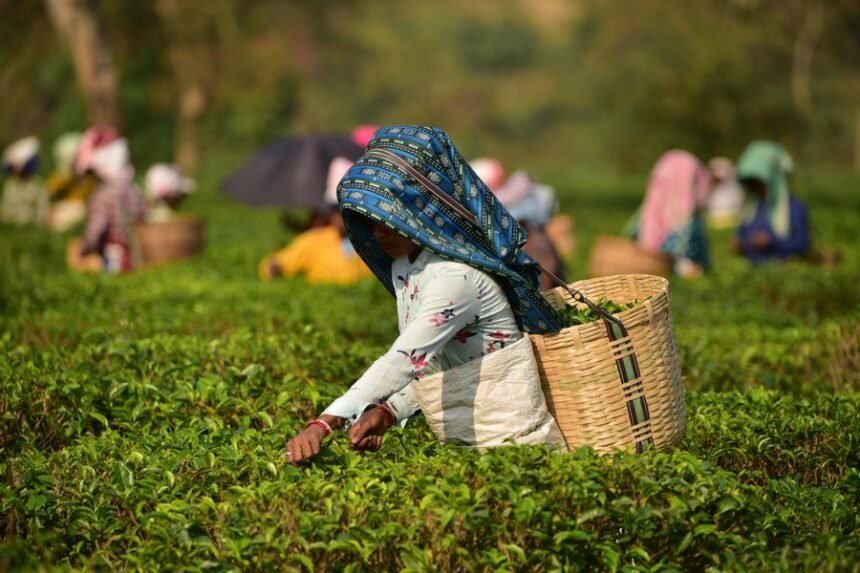
The government of Assam has granted Other Backward Class (OBC) status to 37 tea garden communities ahead of the upcoming Assembly elections. The decision has drawn attention across the state because it affects social welfare benefits and political dynamics.
The move aims to improve access to education, employment opportunities, and government welfare schemes for people belonging to tea plantation communities. These groups have historically worked in tea estates and often face economic and social challenges.
By granting the Assam OBC status tea communities recognition, the government seeks to address long-standing demands from these communities.
read more: Northeast Church Mission 2033 Strategy Meet in Guwahati
Impact on Tea Garden Communities
Tea garden workers form a significant population in several districts of Assam. Many families depend on tea plantations for their livelihood.
With the new classification, members of these communities will gain access to reservations in government jobs and educational institutions. In addition, they may benefit from targeted welfare schemes designed for OBC groups.
Supporters of the decision believe the recognition will help improve the socio-economic conditions of tea garden workers.
Political Significance Ahead of Elections
The announcement has come ahead of the state’s Assembly elections, making it politically significant. Tea garden communities often play an important role in the electoral landscape of Assam.
Political observers say the decision could influence voter sentiment in several constituencies where tea plantation workers form a large voting bloc.
However, discussions around the policy continue as stakeholders evaluate its long-term impact.
Long-Standing Demand
Leaders from tea garden communities have demanded recognition and welfare measures for years. They argue that workers and their families deserve greater support because they have contributed significantly to Assam’s tea industry.
The decision to grant Assam OBC status tea communities recognition marks an important development in addressing those demands.
As the election season approaches, the policy is likely to remain a key issue in public discussions across the state.