




Nagaland municipal elections announced by the State Election Commission triggered immediate political activity across several local bodies in the state. Meanwhile, officials confirmed that fresh elections will take place in three municipal wards following administrative and electoral developments requiring new polling processes. The announcement quickly intensified political campaigning as local candidates and party representatives began outreach efforts in their respective constituencies. Additionally, election authorities stated that preparations for polling, nominations, and security deployment have already started.
The Nagaland State Election Commission issued the election schedule through an official notification circulated to district administrations and local civic bodies. Furthermore, officials indicated that polling arrangements would follow existing municipal election guidelines and regulatory procedures.
Kangpokpi Ambush NIA Probe Demand Intensifies
Imphal Leimaching Hill Protest Tensions Rise
Election Commission Releases Poll Timeline
The State Election Commission confirmed that the bypoll-style municipal elections would cover three specific wards requiring fresh representation. Nagaland municipal elections announced developments therefore attracted attention from regional political parties and independent local leaders.
Meanwhile, election officials instructed district administrations to coordinate logistical and administrative arrangements for the upcoming polls. Additionally, returning officers reportedly began preparatory meetings involving electoral rolls, polling personnel, and nomination procedures.
Authorities stated that candidates would need to complete nomination formalities within deadlines established by the commission. Furthermore, officials emphasized that the election process would follow transparency and legal compliance standards under municipal governance regulations.
Earlier, local administrative departments reviewed pending civic matters connected to the affected wards before the election schedule became public. Consequently, political organizations accelerated internal discussions regarding candidate selection and campaign planning.
At the same time, security agencies initiated coordination with election officials to ensure peaceful voting conditions. Police units reportedly began assessing sensitive areas requiring additional monitoring during the campaign period.
Political Campaigning Gains Momentum
Political activity increased rapidly after the official announcement from the commission. Nagaland municipal elections announced discussions soon dominated local political circles as parties started mobilizing supporters across the concerned wards.
Meanwhile, regional parties launched preliminary campaign outreach involving public meetings, door-to-door interactions, and organizational gatherings. Additionally, independent aspirants reportedly explored alliances with local community leaders and influential civic groups.
Several candidates focused their campaign messaging on infrastructure development, sanitation, water supply, and local governance efficiency. Furthermore, political workers highlighted civic concerns linked to roads, drainage systems, public markets, and urban services during early interactions with residents.
Observers noted that municipal elections in Nagaland often revolve around grassroots issues rather than broader ideological debates. Consequently, local governance performance and community engagement may play major roles in determining electoral outcomes.
However, analysts also pointed out that regional political alignments could influence voting patterns in urban areas. At the same time, parties remain cautious about campaign rhetoric because local elections frequently involve close-knit community networks and sensitive social dynamics.
Civic Issues Dominate Public Discussions
Residents in the affected wards responded actively to the election announcement and began discussing local development priorities. Meanwhile, community organizations highlighted the need for better municipal services and faster execution of pending civic projects.
Nagaland municipal elections announced developments therefore shifted attention toward urban governance challenges facing local bodies in the state. Additionally, citizens raised concerns regarding waste management, traffic regulation, drainage maintenance, and public infrastructure improvements.
Youth groups and civil society representatives urged candidates to focus on practical governance rather than political confrontation. Furthermore, several residents emphasized the importance of transparency and accountability in municipal administration.
Earlier, civic complaints involving delayed development works and maintenance issues surfaced in some urban areas connected to the affected wards. Consequently, candidates may face increased public scrutiny regarding their policy commitments and administrative capabilities.
At the same time, local business owners called for improved market infrastructure and stronger coordination between municipal authorities and traders. Several stakeholders also stressed the importance of maintaining cleanliness and public health standards in expanding urban centers.
Election Authorities Prepare Administrative Measures
The State Election Commission stated that administrative preparations remain underway to ensure smooth polling operations. Nagaland municipal elections announced by the commission also prompted coordination meetings involving district officials, police departments, and municipal authorities.
Meanwhile, election officers reportedly reviewed polling station arrangements and updated electoral documentation linked to eligible voters. Additionally, training sessions for polling staff may begin shortly before the nomination process concludes.
Officials indicated that security measures would remain a priority throughout the election period. Furthermore, law enforcement agencies prepared contingency plans to address possible disturbances or procedural violations during campaigning and voting.
Several legal experts noted that municipal elections play an important role in strengthening grassroots democratic governance. Consequently, authorities emphasized adherence to electoral rules governing campaign conduct, financial reporting, and voter engagement.
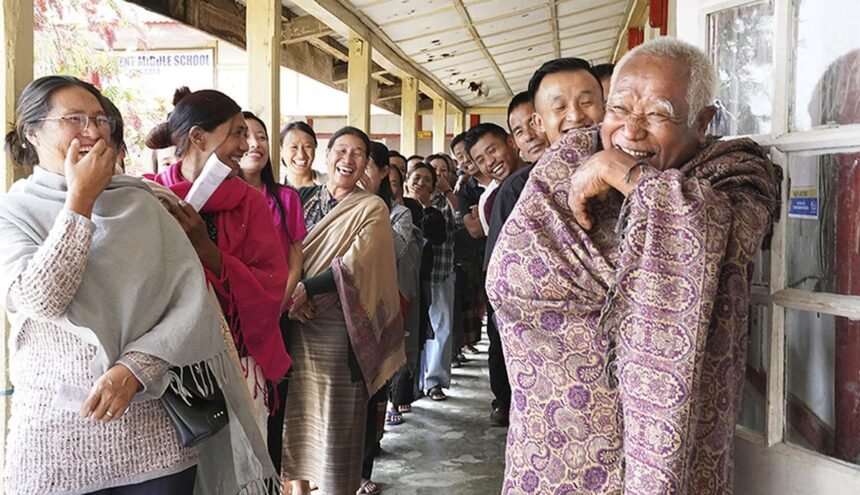
Meanwhile, observers from civil society organizations expressed hope that the elections would proceed peacefully and encourage greater public participation in urban governance matters. Some advocacy groups also encouraged voters to evaluate candidates based on local development performance.
Political Significance Beyond Local Governance
Although the elections involve only three municipal wards, political analysts believe the results may carry symbolic importance for regional parties. Nagaland municipal elections announced developments therefore attracted attention beyond the immediate constituencies involved in the polls.
Meanwhile, parties may use the elections to test organizational strength, voter sentiment, and campaign strategies ahead of larger political contests in the future. Additionally, local electoral outcomes often influence party morale and grassroots mobilization efforts across districts.
Regional political observers also highlighted the growing importance of municipal governance in Nagaland’s urban development planning. Furthermore, expanding urban populations have increased pressure on civic bodies to deliver efficient public services and infrastructure management.
Earlier, local body elections in several northeastern states reflected broader trends involving youth participation, governance accountability, and decentralization debates. Consequently, analysts expect parties to closely monitor voter turnout and campaign responses during the upcoming polls.
At the same time, community elders and civic leaders appealed for peaceful campaigning and respectful political engagement throughout the election process. They emphasized that maintaining harmony remains essential in socially interconnected urban communities.
Conclusion
Nagaland municipal elections announced by the State Election Commission have triggered rapid political mobilization and renewed public focus on local governance issues. Meanwhile, candidates and political parties are preparing campaigns centered on civic development, infrastructure, and municipal administration. Authorities continue coordinating logistical and security measures to ensure peaceful polling across the three affected wards. Ultimately, the elections may not only shape local representation but also reflect broader political trends emerging within Nagaland’s urban governance landscape.
FAQs
What did the Nagaland State Election Commission announce?
The commission announced fresh municipal elections for three local body wards in Nagaland.
Why are the elections being conducted?
The elections were scheduled following administrative and electoral developments requiring fresh representation in the wards.
What issues are dominating the campaign discussions?
Candidates and residents are focusing on roads, sanitation, water supply, drainage, and municipal services.
Why are Nagaland municipal elections announced considered important?
The elections may influence local governance priorities and reflect broader regional political trends.
Are political parties actively campaigning?
Yes, regional parties and independent candidates have already begun outreach and campaign activities.
What preparations are authorities making?
Election officials are coordinating polling arrangements, security measures, voter documentation, and staff training.