





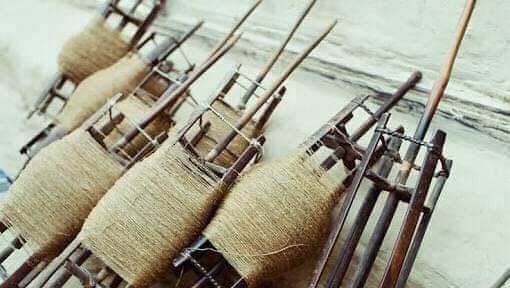
Bodoland Silk is seeing strong demand, prompting the Assam government to explore opportunities in overseas markets, Assam Minister Biswajit Daimary has said. The move could give the region’s traditional silk sector a wider commercial platform while creating more opportunities for farmers, reelers and weavers.
Daimary highlighted the market potential of Bodoland Silk and the need to connect its products with buyers beyond India. The focus on exports comes as sericulture and handloom activities continue to support livelihoods across the Bodoland Territorial Region (BTR).
Bodoland Silk gains market attention
Bodoland has a long tradition of sericulture, particularly the production of Eri silk. Government records show that thousands of farmers are involved in sericulture across the BTR. The region also contributes significantly to Assam’s silk production.
Bodo Eri silk is known for its distinctive qualities and traditional production practices. The Handloom Export Promotion Council describes it as a durable natural fibre and notes its cultural importance among the Bodo community.
Moreover, the region has already taken steps to promote its silk identity. The “Bodoland Silk” brand was launched to strengthen marketing of silk products from the area.
Government looks towards export markets
The proposed push towards overseas markets could help producers reach customers seeking natural and traditionally made textiles. However, entering international markets requires consistent quality, reliable supply and effective branding.
Daimary’s emphasis on exports therefore points to a broader effort to move the sector beyond local and domestic sales. Furthermore, stronger market connections could encourage producers to develop products suited to changing consumer preferences.
The Indian silk industry already has an established export ecosystem. Data from the Indian Silk Export Promotion Council show that Assam, including Bodoland in some official production tables, is an important contributor to India’s raw silk output.
Bodoland Silk gets institutional support
The silk sector in the BTR has received support through government programmes and infrastructure projects. The Bodoland Sericulture Mission, launched in 2023, aims to develop the region’s traditional silk sector, with a particular focus on Eri silk.
More recently, a sales-cum-display centre was opened at Mothambil Forest Village near Raimona National Park. The facility allows local women beneficiaries to display and sell Eri silk and handloom products directly to visitors.
Additionally, the project includes support for silkworm-rearing plantations, rearing houses, spinning machines, improved looms and quality yarn. As a result, the initiative seeks to improve both production and market access.
Export potential creates new opportunities
Bodoland’s silk industry has several features that could support its expansion into international markets. Eri silk, often called peaceful or Ahimsa silk, has a distinctive production process and a strong connection with the region’s cultural traditions.
There is also evidence of international interest in the region’s silk. A NABARD district development document noted demand for the distinctive Eri silk produced in Kokrajhar, including interest from European markets.
However, demand alone may not be enough to sustain exports. Producers need access to modern designs, quality testing, packaging, logistics and international marketing. Therefore, coordinated support from government agencies and industry bodies will remain important.
Bodoland Silk enters a wider growth phase
The government’s interest in export markets could mark another step in the development of Bodoland Silk. The sector already combines traditional skills with organised programmes aimed at improving production, training and market access.
At the same time, recent initiatives show an effort to link silk production with tourism and local entrepreneurship. The Raimona project, for example, connects handloom sales with visitors to the national park while giving women producers a direct sales channel.
Overall, Bodoland Silk has an opportunity to build on its established local demand and distinctive identity. If quality, production capacity and international market access are strengthened, the region’s silk products could gain a larger presence outside India. For farmers and weavers, that expansion could also create a more sustainable market for a long-standing traditional livelihood.